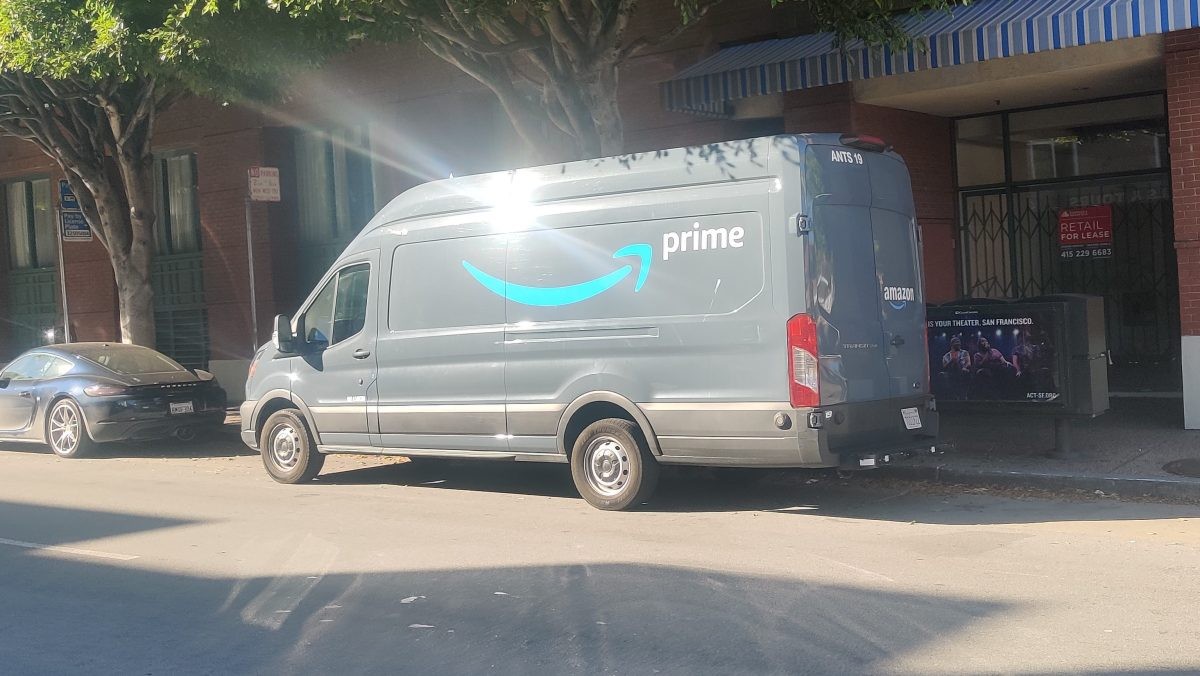
Amazon is implementing a 3.5% fuel surcharge for sellers using its Fulfillment by Amazon (FBA) service, effective April 17th. The move directly reflects rising transportation costs driven by escalating geopolitical tensions, specifically the ongoing conflict involving Iran. This surcharge will affect a large but undisclosed number of third-party merchants who depend on Amazon’s logistics network to reach customers.
Escalating Costs and Market Pressures
The decision comes as global oil markets react to instability in the Middle East. The recent conflict involving Iran has caused significant price spikes in energy markets, including the U.S. Amazon stated it had previously absorbed these costs but now requires a temporary surcharge to partially offset them. According to Amazon, this fee remains lower than those charged by other major carriers.
Fulfillment by Amazon (FBA) Impact
FBA is a critical service for many third-party sellers on Amazon’s platform. It allows merchants to store products in Amazon warehouses, where they are packed and shipped directly to buyers. The surcharge will add an additional 3.5% expense for sellers who utilize FBA, potentially impacting profit margins or forcing them to raise prices for consumers.
Historical Context and Recurring Patterns
This is not the first time Amazon has used a fuel surcharge. A similar policy was implemented in 2022, coinciding with another period of high oil prices following Russia’s invasion of Ukraine. The recurrence suggests a pattern: when crude oil exceeds $100 a barrel, Amazon adjusts its fee structure to account for increased operating expenses. The current surge is linked to the conflict involving Iran, which has been escalating since the assassination of its Supreme Leader by the Israeli government.
Amazon’s surcharge is a direct consequence of global energy volatility, and reflects a broader trend of major carriers adjusting fees in response to rising transportation costs. The policy underscores the interconnectedness of geopolitical events, energy markets, and e-commerce logistics.