Mercedes-Benz, Dolby Laboratories, and Universal Music Group have joined forces to push the boundaries of in-car audio, aiming to create a listening experience so refined that musicians can finalize mixes directly from the driver’s seat. This collaboration isn’t just about premium sound; it’s about fundamentally changing how music is mastered for a major listening environment: the car.
The Shift in Music Production
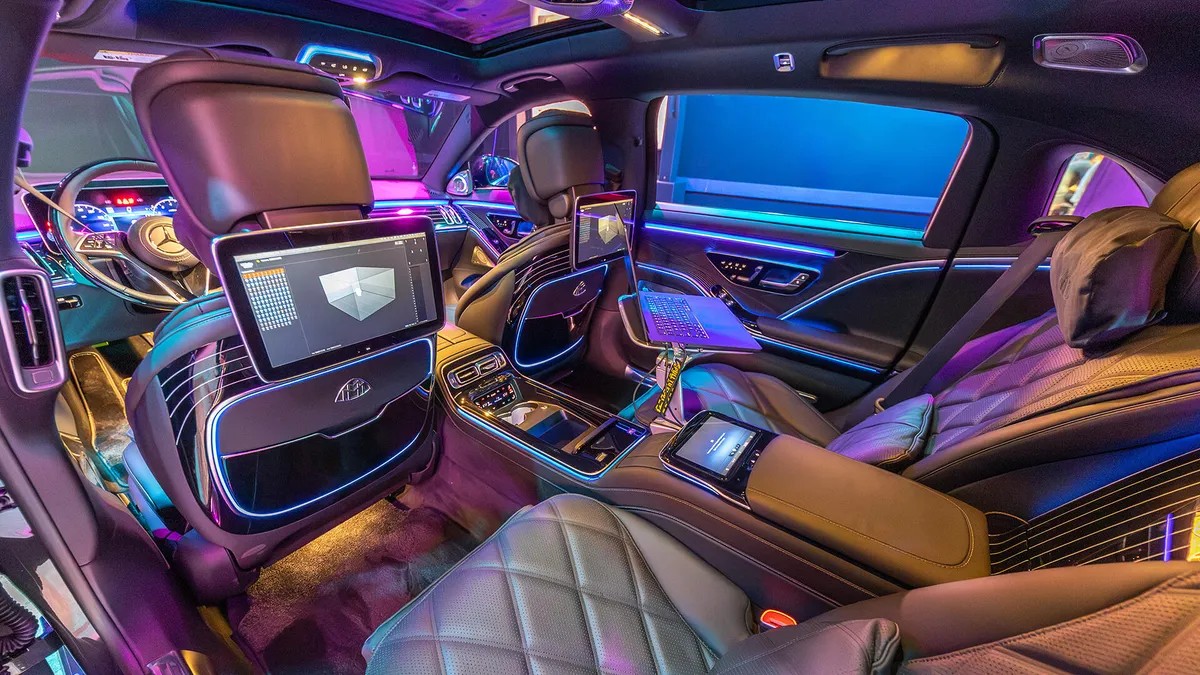
For decades, audio engineers have tested mixes across various systems – from studio monitors to cheap boomboxes – to ensure consistency. The “Crafted in a Mercedes” project takes this practice to the extreme, integrating studio-grade Atmos mixing capabilities directly into a vehicle. At a demonstration in Santa Monica, journalists witnessed this firsthand: tracks mixed in a professional studio sounded remarkably similar when played in a Mercedes-Maybach equipped with the new system. The car’s Atmos setup, featuring height speakers embedded in the panoramic roof, allows for precise adjustments without needing to return to a traditional studio.
Why Cars? The Numbers Speak for Themselves
The automotive audio market dwarfs the home audio sector. Speaker manufacturers generate far more revenue from car systems than from home speakers, a fact that underscores the importance of this partnership. Samsung, through its acquisition of Harman International, dominates much of the high-end car audio supply chain, but Mercedes is betting that consumers will pay for a true studio-quality experience.
The Future of Immersive Audio
The goal is clear: more Dolby Atmos in cars, which will drive demand for more Atmos music. Spatial audio, with its multi-speaker setup, is a natural fit for vehicles. The bottleneck remains content availability; while Apple Music, Amazon, and Tidal already offer Atmos mixes, mainstream adoption by services like Spotify is uncertain. Mercedes is considering productionizing key aspects of this technology, potentially making studio-level sound accessible in less expensive vehicles.
The partnership isn’t just about luxury; it signals a shift toward treating the car as a critical listening environment. As artist and producer Aron Forbes demonstrated, the system’s precision allows for real-time mix adjustments on the go, blurring the line between the studio and the road. This could reshape how music is made, optimized, and consumed.
Ultimately, this collaboration highlights a growing trend: the car is no longer just transportation, but a mobile extension of the modern creative and entertainment ecosystem.