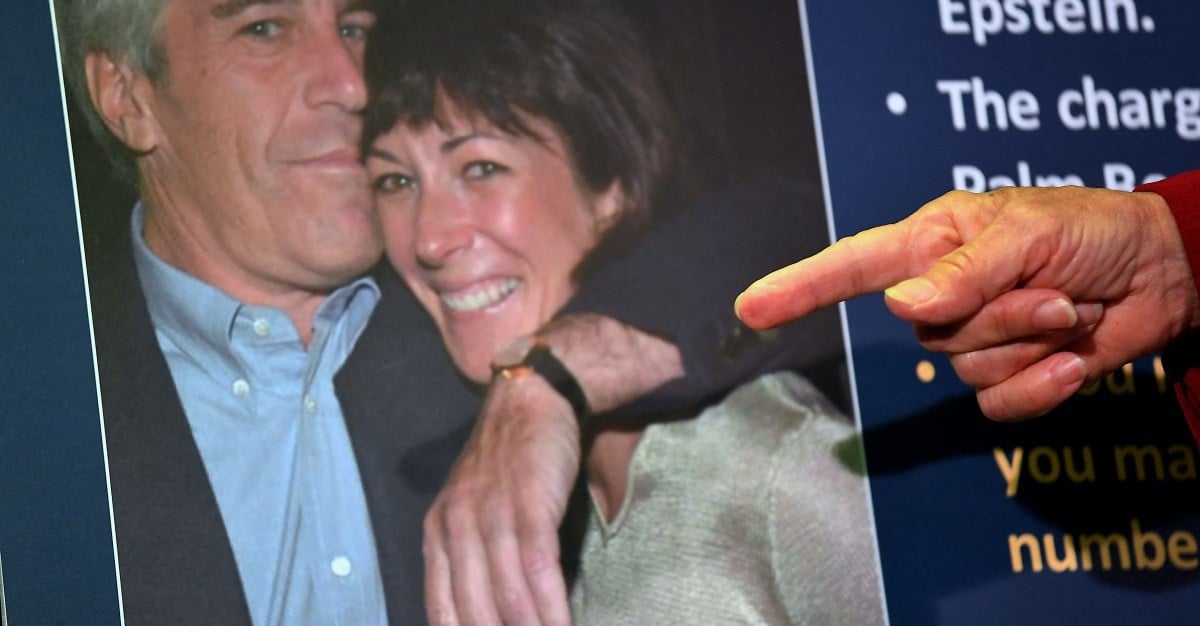
The recent release of court documents related to Jeffrey Epstein’s case has failed to resolve the central mystery surrounding the scandal: who was involved and to what extent did powerful figures facilitate his crimes? Despite the highly anticipated release, key questions about the extent of Epstein’s network and potential co-conspirators remain unanswered.
The Justice Department (DOJ) faces scrutiny over its handling of the case. While the DOJ has established norms against releasing information outside of a criminal trial—a practice meant to protect ongoing investigations and legal proceedings—many critics argue that this approach has shielded individuals who may have enabled Epstein’s abuse.
The debate over transparency in high-profile cases highlights a broader tension between legal procedure and public demand for accountability. The Epstein scandal is unique in its implications; it has touched the upper echelons of politics, business, and celebrity culture, raising the stakes for those implicated.
The release of these files underscores a fundamental problem with criminal investigations involving elite networks: even with extensive documentation, securing convictions and full disclosure can be difficult. The Epstein case serves as a reminder that power and influence can obstruct justice, even when evidence exists.
Ultimately, the unanswered questions surrounding the Epstein scandal demonstrate the limits of transparency in a system where wealth and connections can protect the most culpable. The public may never receive a complete accounting of the individuals who aided Epstein, leaving a legacy of unanswered questions and eroded trust in institutions.