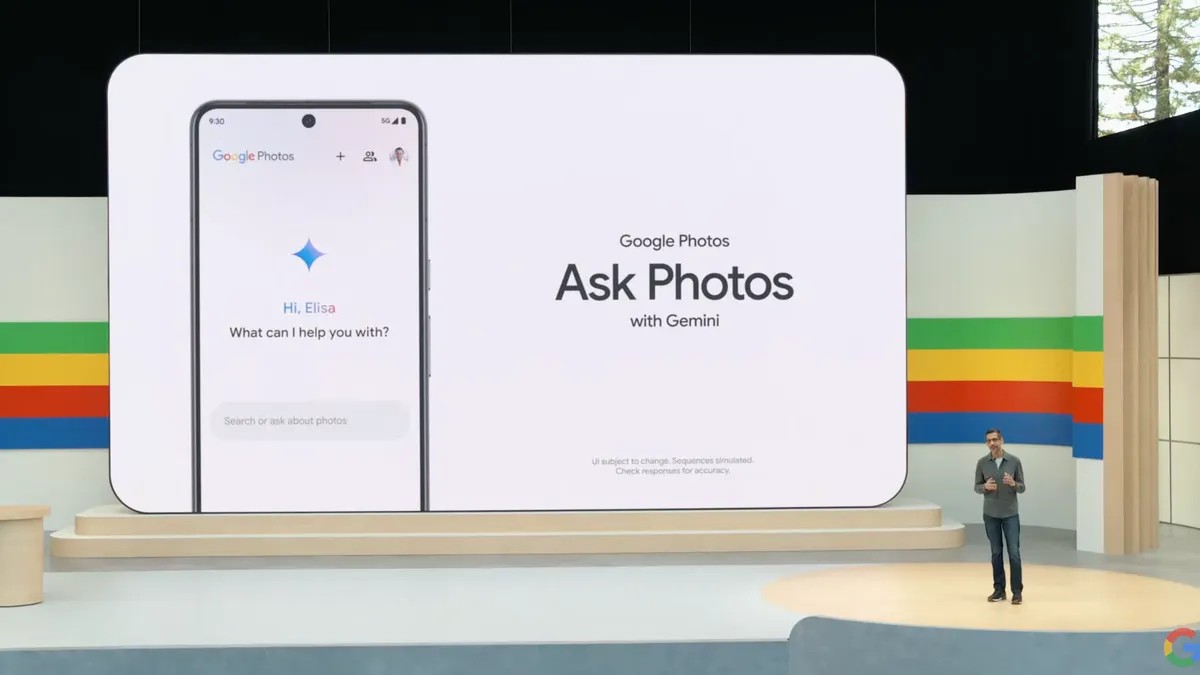
Google Photos has introduced Conversational Editing, a new feature that allows users to edit images using voice commands or typed instructions. Previously exclusive to Pixel devices, the tool is now available on both Android and iOS, making photo adjustments easier for everyone.
How Conversational Editing Works
The feature leverages Google’s Gemini AI to interpret user requests and apply edits accordingly. Instead of manually adjusting settings, users can simply tell the app what they want to change:
- Specific Edits: “Increase saturation by 100%” or “Brighten the sky.”
- Scene Reimaginings: “Turn the ground into a calm pond.”
- General Enhancements: “Make this photo look better.”
The AI handles the rest, making complex edits accessible to even inexperienced users. Early tests show the tool isn’t just a gimmick; it can quickly become a valuable asset for improving photos with minimal effort.
Eligibility and Setup
To use Conversational Editing, users must meet certain criteria:
- Be 18 years or older.
- Be located in the United States.
- Set their Google Account language to English (United States).
- Have Face Groups and location estimates enabled.
Even if these requirements are met, rollout is gradual, so the feature may not appear immediately.
Privacy Settings and Controls
Google provides options to manage how Conversational Editing uses user data:
- Access Queries: Toggle “Allow us to access your queries” off to prevent Google from storing edit requests.
- Disable Gemini: Turn off Gemini entirely or disable individual features like Ask Photos, Gemini-powered memories, and auto-titling.
- Manage Face Groups: Control which people the app recognizes in photos through the Remember List.
“The goal is to give users more control over how AI interacts with their photos while still offering powerful editing tools.”
Why This Matters
The rise of AI-powered photo editing reflects a broader trend in simplifying complex tasks. Previously, achieving professional-looking edits required technical skill or expensive software. Now, AI can bridge that gap, making high-quality photo adjustments available to anyone with a smartphone. This democratization of editing tools could lead to a surge in visually refined content across social media and beyond.