


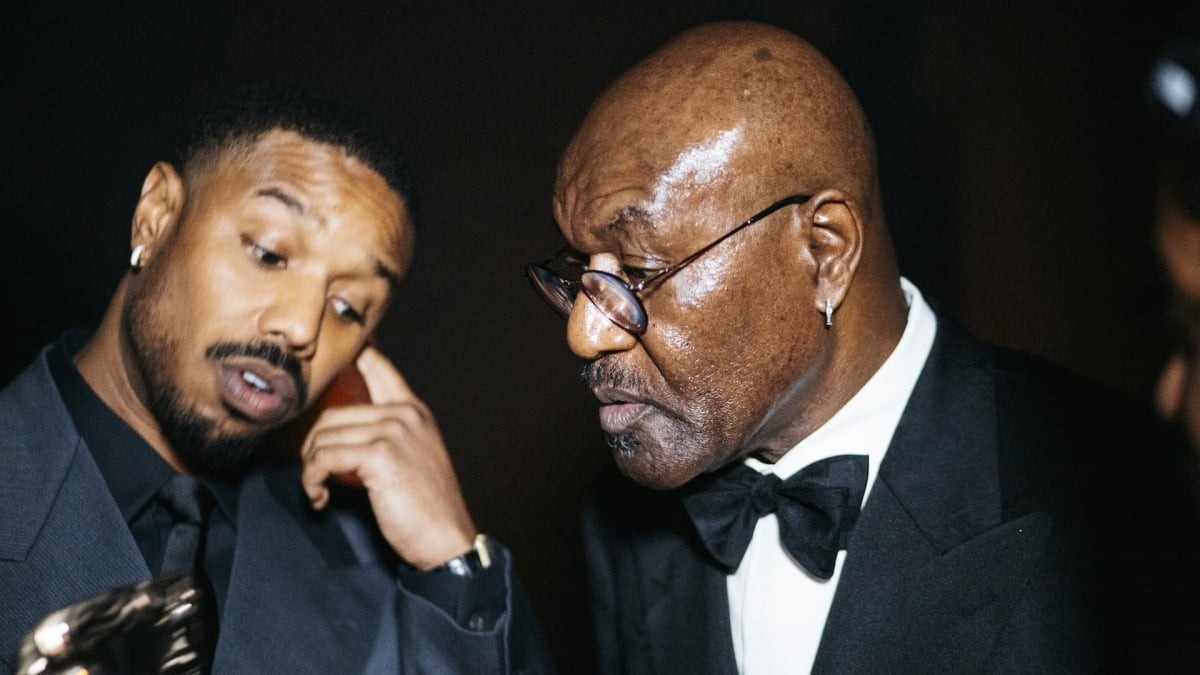
The incident stemmed from the broadcast of the British Academy Film Awards (BAFTAs) on Sunday, where a man with Tourette syndrome involuntarily shouted a racial slur while presenters Michael B. Jordan and Delroy Lindo were onstage. The slur was audible during the BBC’s televised coverage and remained on the BBC streaming service until Monday.
Following the event, Google issued push notifications to some users linking to a Hollywood Reporter article about the awards. These notifications contained the full, offensive slur, which prompted a swift apology from Google officials. The company attributed the error not to artificial intelligence (AI), but to its own safety filters failing to recognize a euphemism for the slur appearing on web pages and subsequently applying the actual offensive term to the notification text.
The broader context of this incident includes growing scrutiny over how broadcasters and tech platforms handle unfiltered moments and potentially offensive content. While BAFTA officials informed attendees that a person with Tourette syndrome was present, host Alan Cumming’s apology was met with criticism.
The fallout extends beyond the immediate broadcast, as some viewers also noted the BBC’s decision to cut portions of director Akinola Davies Jr.’s acceptance speech, which included a statement about “Free Palestine.” The BBC has not publicly explained this editorial choice.
The man with Tourette syndrome, later identified as Davidson, released a statement expressing mortification if his involuntary tics were interpreted as intentional or meaningful. BAFTA has announced a comprehensive review of the event.
The incident raises questions about the balance between live broadcasting, editorial control, and the responsibility to moderate potentially harmful content—especially as AI-driven moderation systems continue to evolve.


