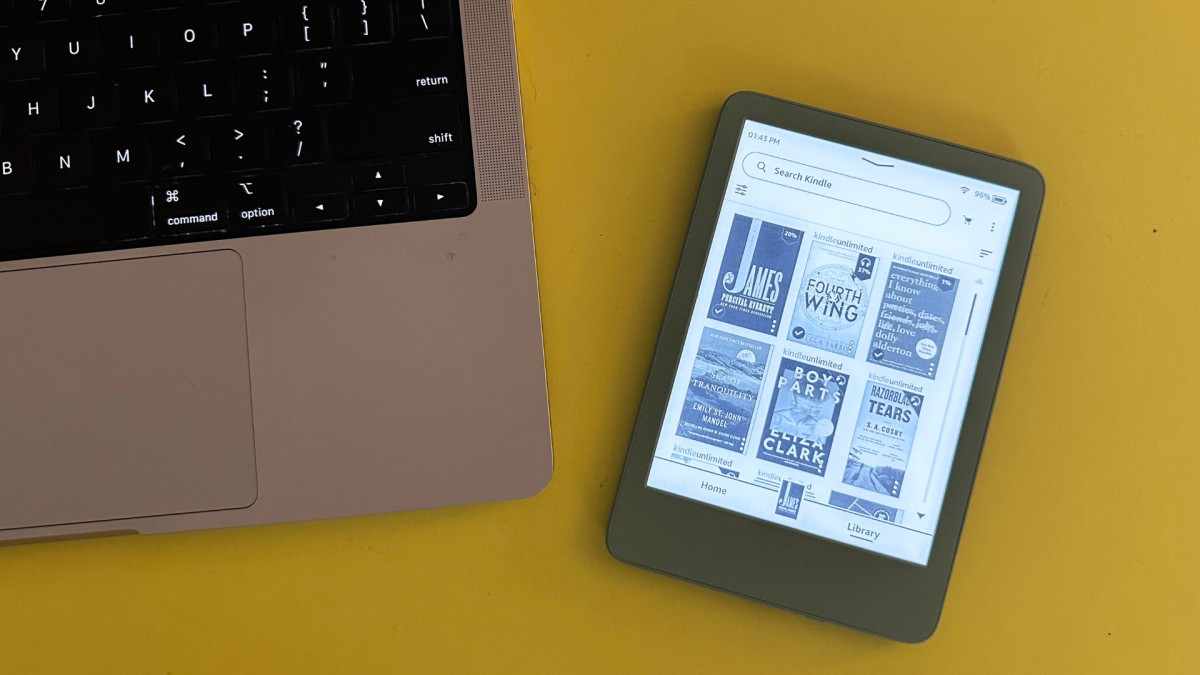
As of January 20, 2026, Amazon is shifting its stance on digital rights management (DRM) for Kindle e-books. This means that, for the first time, users may be able to read books purchased from the Kindle Store on devices other than Kindles.
The Problem With E-Book DRM
For years, one of the biggest frustrations with e-books has been DRM. When you buy a book from stores like Kindle or Kobo, it’s usually encrypted to work only on specific devices. If you switch from a Kindle to a Kobo, you’ve been locked out of reading previously purchased Kindle books on your new device.
This system forces consumers to stay within a single ecosystem. If you prefer the Kindle, you can’t easily read Kobo books. If you switch to Kobo, your Kindle library becomes inaccessible. This is essentially digital lock-in, limiting your ability to move between platforms.
Amazon’s New Policy
The change comes via the Kindle Direct Publishing (KDP) platform, which is used by many self-published authors and smaller presses. Amazon now allows authors and publishers to choose whether their files are DRM-protected or DRM-free.
If an author selects DRM-free, the book can be read on Kindle devices and downloaded in EPUB or PDF format. This means you can transfer the file to any e-reader, including Kobos, iPads, or even your phone.
What This Means For You
The change won’t happen automatically. Authors and publishers have to opt in to making their files DRM-free. This means you won’t suddenly find all your existing Kindle books unlocked.
Currently, the only way to check is after downloading a book. If you see a “Download available in additional formats” option in your Kindle Content Library, you can download the DRM-free EPUB or PDF version. From there, you can transfer it to other devices.
Why This Matters
This shift is significant because it’s the first time Amazon has conceded ground on DRM. While it doesn’t solve all the problems of digital ownership, it opens the door for greater flexibility.
The move could push other platforms to follow suit, potentially leading to a more open e-book ecosystem where consumers have more control over their purchases. It’s a small step toward breaking the walled gardens of digital content.
However, the success of this change hinges on how many authors and publishers choose to make their books DRM-free. For now, it’s a waiting game to see if this new option will be widely adopted.