The lines are blurring. No, they’re gone.
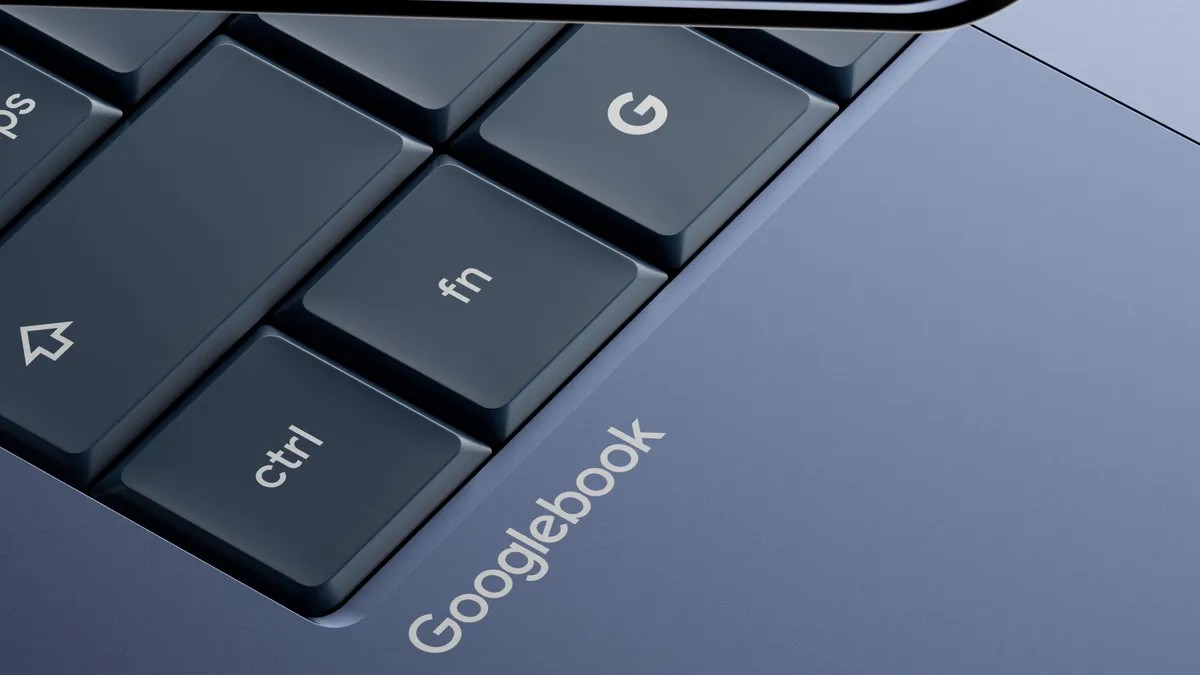
At this week’s Android Show, Google confirmed the inevitable: Android and ChromeOS aren’t just shaking hands. They’re getting married. The offspring—currently going by the placeholder name Aluminum OS —will debut in the new Googlebook laptop lineup.
It won’t be called Aluminum for long, obviously. But right now? That’s the name in the leak ecosystem. And honestly? It says everything about where the industry is heading.
We’ve known the merge was coming. It was obvious to anyone paying attention for more than a minute. But details matter. Here’s what the leaks tell us about what’s actually running inside.
Under the Hood: More Than Just a Skin
Google hasn’t handed over the keys yet. The interface is still somewhat under wraps.
But we’ve seen enough to get a picture. A now-deleted issue ticket recently leaked a clip of the full Android desktop experience. It showed side-by-side windows. Simple. Functional.
Then came the real kicker. Just hours before the show started, the complete OS setup experience leaked in high definition.
It looks a lot like Android’s current desktop view, but with teeth.
The big reveal? An extensions icon. This is foreign to native Android. Usually, you’d only find that sort of browser-specific behavior in Chrome itself or third-party apps. Seeing it as a first-class citizen of the OS implies a major shift in how software layers stack here.
And the AI? It’s everywhere.
Gemini isn’t a sidebar feature anymore. It’s baked in. If your Pixel phone runs on it, so will your new laptop. The expectation isn’t just integration—it’s immersion.
Why This Isn’t Just “Android Apps on Chrome”
Here is the friction point.
You might say: “I can already run Android apps on my Chromebook.”
Fair. You can. The Google Play Store ships pre-loaded on every ChromeOS machine.
But the architecture is fundamentally different now. On a Chromebook, Chrome is the king and Android apps are just guests visiting via the Play Store. They sit on top of a cloud-centric foundation.
With Aluminum OS? Android is the bedrock.
This means native app support is primary. Chrome’s full desktop browsing experience sits alongside it, not above it. It creates a hybrid beast that is more flexible than ChromeOS was ever meant to be and more robust than a standard tablet running Android in a laptop shape.
With billions of Android devices out there, the ecosystem appeal is massive.
Think about it. Your phone. Your laptop. Same DNA. One operating system governing the workflow, with AI acting as the bridge between the two screens. It’s seamless in theory. In practice?
Well. We’ll have to wait until the metal hits our desks to see if it actually feels integrated. Or just… convenient.
The merge is happening. Whether it solves the productivity puzzle remains to be seen. 🖥️🤝📱