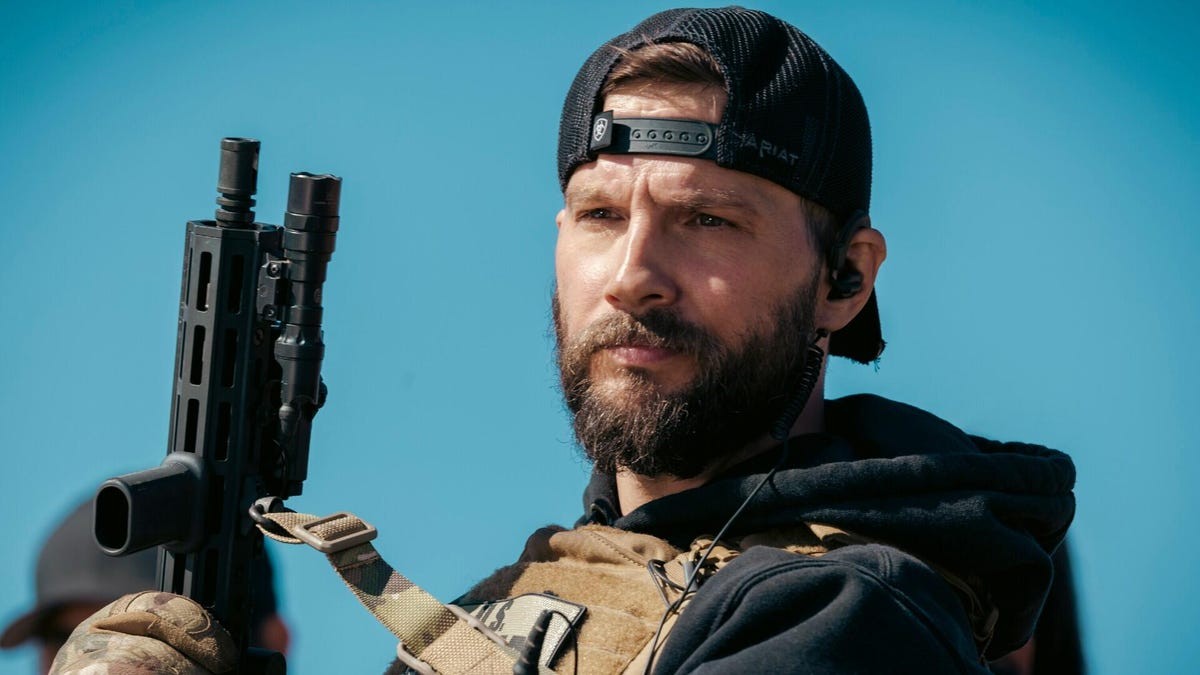
The Yellowstone franchise expands with Marshals, a new CBS series centered on the U.S. Marshals Service and the fallout from Kayce Dutton’s (Luke Grimes) past. Actor Logan Marshall-Green, who leads the team as Pete “Cal” Calvin, explains why this series aims to be more than a typical law enforcement procedural. The show balances familiar Yellowstone elements – including returning characters like Thomas Rainwater (Gil Birmingham) and Mo (Moses Brings Plenty) – with a fresh approach that explores deeper themes of purpose, identity, and the consequences of war.
The Balance Between Legacy and New Narrative
One core challenge was integrating Marshals into the established Yellowstone universe without simply rehashing old ground. Marshall-Green notes that the creative direction was largely guided by showrunner Spencer Hudnut and Grimes. The actor himself intentionally avoided over-familiarizing himself with the original series, preferring to approach the role with fresh questions rather than predetermined expectations.
“I only watched the pilot of Yellowstone, and quickly realized I didn’t want to watch any more. I wanted to be asking questions, not knowing the answers, in front of the camera.”
This approach allowed for a more organic development of Cal’s relationship with Kayce. Marshall-Green reveals Cal initially recruited Kayce for his combat skills, but their connection runs deeper, rooted in a shared military history that will unfold through flashbacks. The series promises to deviate from traditional procedural structures, gradually revealing the full extent of Kayce’s past and the moral compromises he’s made.
Filming in Utah: Authenticity Over Artifice
Marshals distinguishes itself through its authentic on-location filming in Utah, particularly in the Thousand Peaks Valley where early Yellowstone seasons were shot. This commitment to realism extends beyond set design, shaping the working conditions for the cast. The rugged terrain and harsh weather demand endurance, but contribute to the series’ immersive quality.
“There’s a reason why they chose to shoot there. It’s absolutely stunning. It’s a lot of work to get into those interiors. But, you know, when you’re sitting at 6 a.m. with an eight-hour turnaround and it’s freezing cold, it’s somewhat palatable because of the view and the horse you’re on.”
Marshall-Green acknowledges the contrast between his experience and that of returning Yellowstone actors, who revisit familiar locations after years away. For him, the landscape remains a powerful, untamed presence that grounds the series in a tangible reality.
Sheridan’s Absence and the Focus on Indigenous Stories
Notably, Marshall-Green never had direct conversations with Yellowstone creator Taylor Sheridan about Marshals. The production ran efficiently without heavy oversight, allowing the creative team to pursue its vision.
However, Marshall-Green emphasizes the importance of the Indigenous narratives woven into the series. He highlights the show’s commitment to portraying these communities not as helpless victims but as resilient, self-sufficient societies with strong leadership.
“More than anything, the Indigenous stories are my favorite. That’s what I would take away, if I were to watch this…we’re fighting with them, and I love that.”
Marshals aims to deliver a gripping procedural while honoring the complex legacy of Yellowstone and amplifying voices that often go unheard. The show promises a raw, unflinching exploration of duty, loyalty, and the enduring consequences of violence.