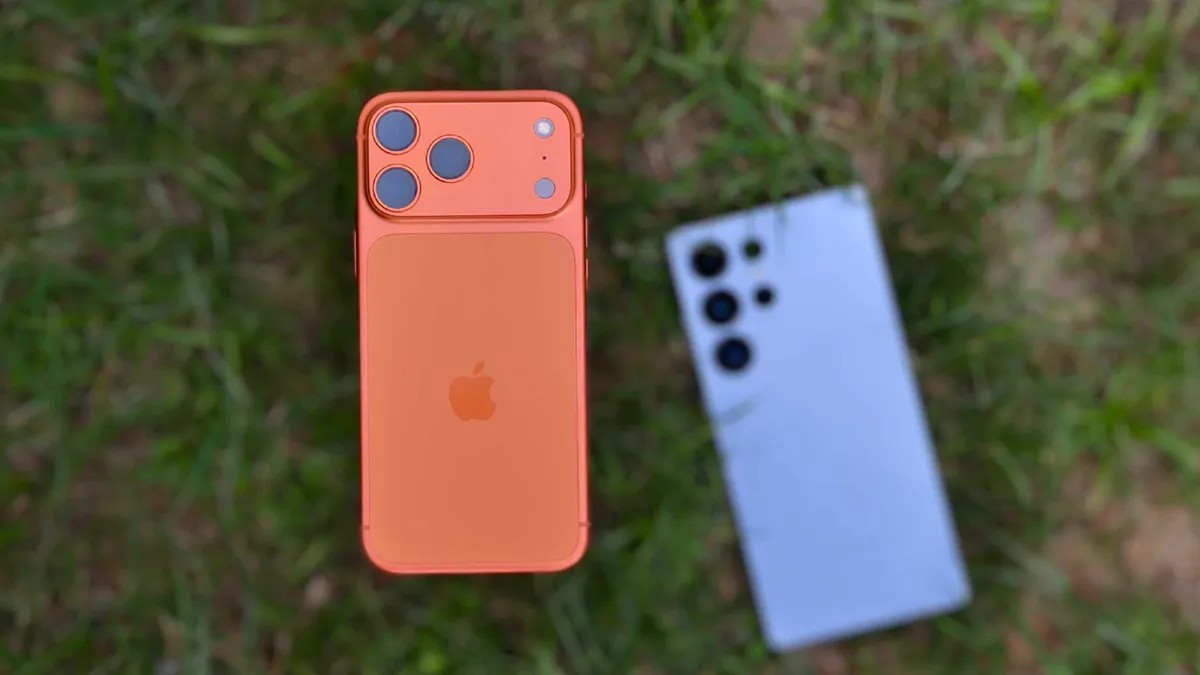
Samsung’s Galaxy S-series has always been a major player in the smartphone market, but the latest iterations haven’t pushed boundaries as significantly as Apple’s iPhone 17 Pro. While Samsung still excels in areas like screen technology, several key features from Apple’s new flagship suggest areas where the upcoming Galaxy S26 Ultra could improve. The iPhone 17 Pro isn’t just an incremental update; it sets a new standard in design, camera performance, and usability.
The iPhone 17 Pro: A Benchmark for Samsung
The iPhone 17 Pro introduces changes that directly challenge Samsung’s dominance in certain areas. Apple’s new aluminum unibody design, coupled with significant video capture enhancements, has even led to the device being used for professional broadcasting, such as MLB games on Apple TV Plus. Battery life also surpasses Samsung’s current offerings, with the iPhone 17 Pro Max testing longer in CNET’s lab. These aren’t just specs; they represent tangible improvements in user experience and real-world performance.
Key Areas for Samsung to Address
To regain a competitive edge, Samsung must focus on three critical areas.
1. The Square Selfie Camera Sensor: A Quality-of-Life Upgrade
Apple’s new 18-megapixel Center Stage camera with a square sensor is a surprisingly effective quality-of-life feature. It allows for vertical phone positioning while capturing horizontal selfies and automatically adjusts framing for group shots. This isn’t just a gimmick; it’s a reliable AI-driven solution to a common frustration. Samsung already implements AI-powered auto-zoom, but extending this functionality to the selfie shooter would provide a tangible usability boost. The sensor’s stabilization capabilities also improve video recording and FaceTime calls, something particularly valuable for users with tremors or shaky hands.
2. Telephoto Camera: Reclaiming Zoom Supremacy
Samsung once led the market in zoom capabilities, but it has fallen behind. While competitors like Xiaomi, Vivo, and Oppo push the boundaries of optical zoom, Samsung has scaled back its unique offerings. The Galaxy S25 Ultra’s telephoto cameras, while capable, don’t match the competition in clarity or stabilization.
The removal of the dedicated 10x optical zoom two generations ago was a missed opportunity, and the current 3x telephoto sensor underperforms in low-light conditions. Samsung should prioritize upgrading both the 3x and 5x optical zoom cameras to deliver superior image quality across all zoom levels.
3. Ergonomics: Prioritizing Comfort and Usability
Apple’s iPhone 17 Pro Max, despite being heavier than its predecessor, maintains ergonomic usability. Rounded corners and a slightly curved back make it comfortable to hold, even for extended periods. In contrast, Samsung’s Galaxy S25 Ultra, while lighter, features sharper edges that dig into the palm. The iPhone’s design demonstrates that weight isn’t the only factor in usability; form and grip matter. Samsung should aim for a weight under 220 grams while prioritizing ergonomic design in the Galaxy S26 Ultra.
The Importance of Feature Retention
Samsung has removed features like the dedicated 10x optical zoom and Bluetooth functionality from the S Pen in recent generations. This trend risks alienating loyal users who value these capabilities. The Ultra line has always stood for “all the extras,” and Samsung should avoid further stripping down its flagship to remain competitive.
Conclusion
The Galaxy S26 Ultra has the potential to be a significant upgrade, but only if Samsung learns from the iPhone 17 Pro’s strengths. By prioritizing camera improvements, ergonomic design, and feature retention, Samsung can ensure that its next flagship doesn’t just keep pace with the competition—but sets a new standard. The S26 Ultra should represent a meaningful leap forward, rather than another incremental update.