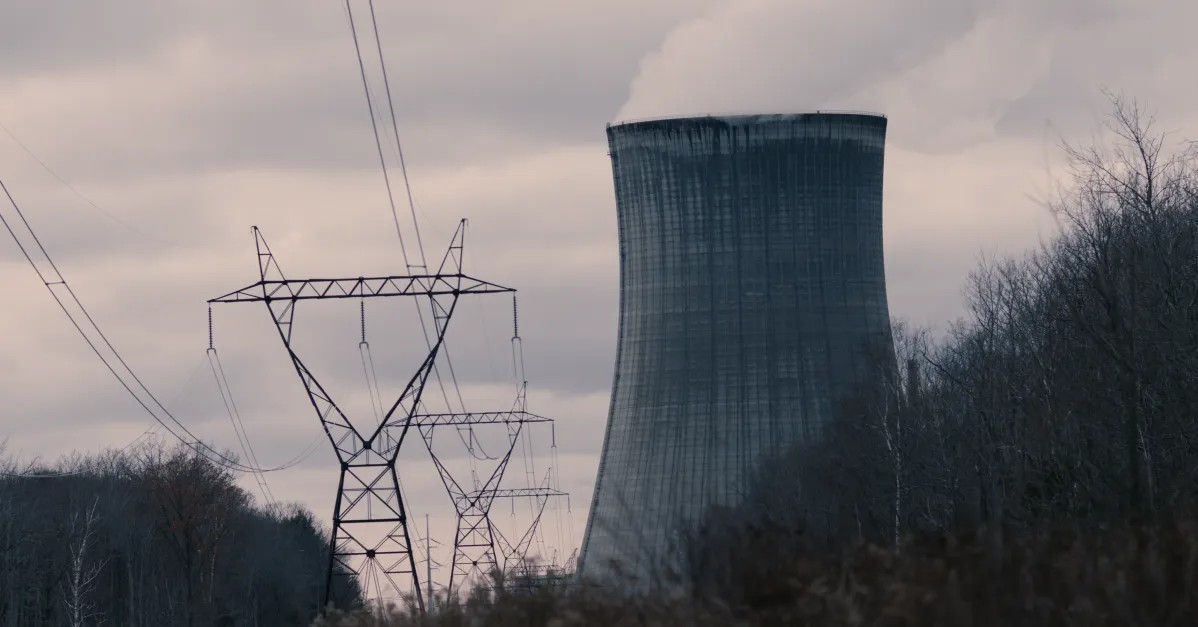
Oswego, New York, already hosts three nuclear power plants – and now it’s aggressively pursuing a fourth. This push comes as New York Governor Kathy Hochul commits to expanding nuclear energy capacity by a gigawatt, driven in part by the rapidly growing electricity demands of artificial intelligence (AI) data centers. The town sees this as an opportunity, but the decision is far from simple.
Why Oswego Wants More Nuclear
The appeal is clear: nuclear power offers a reliable, carbon-free energy source. A single U.S. nuclear plant can power 1.4 million homes, operating continuously without the intermittency of renewables like solar or wind. Beyond electricity, these plants provide hundreds of local jobs and economic stability. Oswego’s mayor and local officials believe another plant would further solidify the town as a power hub.
The Nuclear Debate: Risks and Realities
Despite the benefits, nuclear power faces significant public resistance. Disasters like Three Mile Island, Chernobyl, and Fukushima remain deeply ingrained in public memory, raising concerns about safety and the handling of nuclear waste. While U.S. plants currently store waste in dry casks – a relatively safe interim solution – long-term storage remains a major unresolved issue.
The Challenge of Building New Nuclear
Even if Oswego wins the bid for the new plant, construction could take over a decade. The U.S. has a poor track record of delivering nuclear projects on time and within budget. The Vogtle plant in Georgia, the most recent completed project, was years delayed and massively over budget. This history raises serious questions about whether New York can avoid similar pitfalls.
The Future of Nuclear in America
The debate over nuclear energy reflects broader tensions between clean energy ambitions and practical realities. The U.S. has lagged behind other countries in nuclear development, but the surge in AI-driven energy demand could force a reassessment. Oswego’s situation highlights both the potential rewards and substantial challenges of embracing nuclear power in the 21st century.
Ultimately, the decision to build another plant will depend on navigating public fears, securing funding, and overcoming the historical hurdles that have plagued nuclear projects in the past.