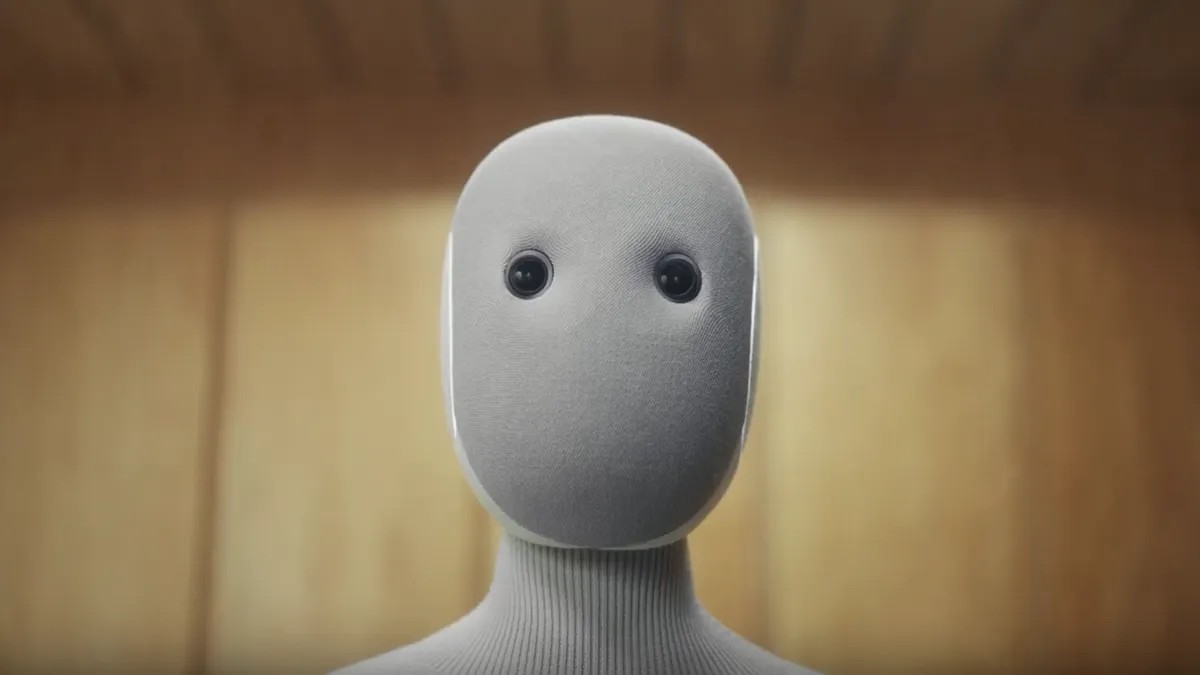
A new humanoid robot called Neo is now available for pre-order at a staggering $20,000 price tag. Developed by California-based 1X, Neo promises to be a consumer-ready personal assistant capable of handling everyday chores like laundry, dishwashing, and even grocery shopping. While the concept echoes decades of science fiction, the reality is more nuanced: the robot currently requires significant human oversight, with much of its operation being remotely controlled.
The Promise vs. The Present
1X positions Neo as a leap beyond existing robotic vacuums and a step toward the long-awaited era of robot butlers. The robot boasts impressive physical capabilities, lifting up to 154 pounds and moving with a surprisingly human-like gait thanks to its tendon-driven motor system. It connects via Wi-Fi, Bluetooth, and 5G, and utilizes a built-in large language model (LLM) for voice control, similar to ChatGPT.
However, despite these features, Neo’s current capabilities fall short of full autonomy. A recent demonstration by The Wall Street Journal revealed that the robot’s actions are largely guided by human operators using VR headsets. 1X CEO Bernt Børnich admits that full autonomy is not expected until 2026, with potential quality issues in the early stages. The company’s FAQ even suggests customers may need to schedule remote assistance from 1X experts to teach the robot new tasks.
Privacy Concerns and the “Social Contract”
The robot’s learning process raises significant privacy questions. Neo uses visual, audio, and contextual data to understand its environment, meaning it can see, hear, and remember interactions within your home. 1X acknowledges this trade-off, stating that buyers must accept the implications of allowing an AI-equipped device to observe their private lives.
While the company claims to have privacy safeguards in place – such as only listening when addressed and blurring human figures in camera feeds – inviting an AI-powered humanoid into your home is inherently a step toward greater data collection. The robot’s reliance on remote operation has even drawn criticism from tech industry veteran John Carmack, who suggests companies should be honest about selling “remote-operated household help” instead of hyping full autonomy.
The Long Road Ahead
The first Neo units are expected to ship in 2026, with a $499 monthly subscription option available at a later date. A wider international rollout is planned for 2027. The robot’s development underscores the gap between sci-fi aspirations and current technological realities. Neo represents a tangible step toward automated home assistance, but it is not yet the fully independent, self-sufficient robot of popular imagination.
The future of home robotics is taking shape, but buyers should approach this early technology with realistic expectations and a clear understanding of its current limitations.