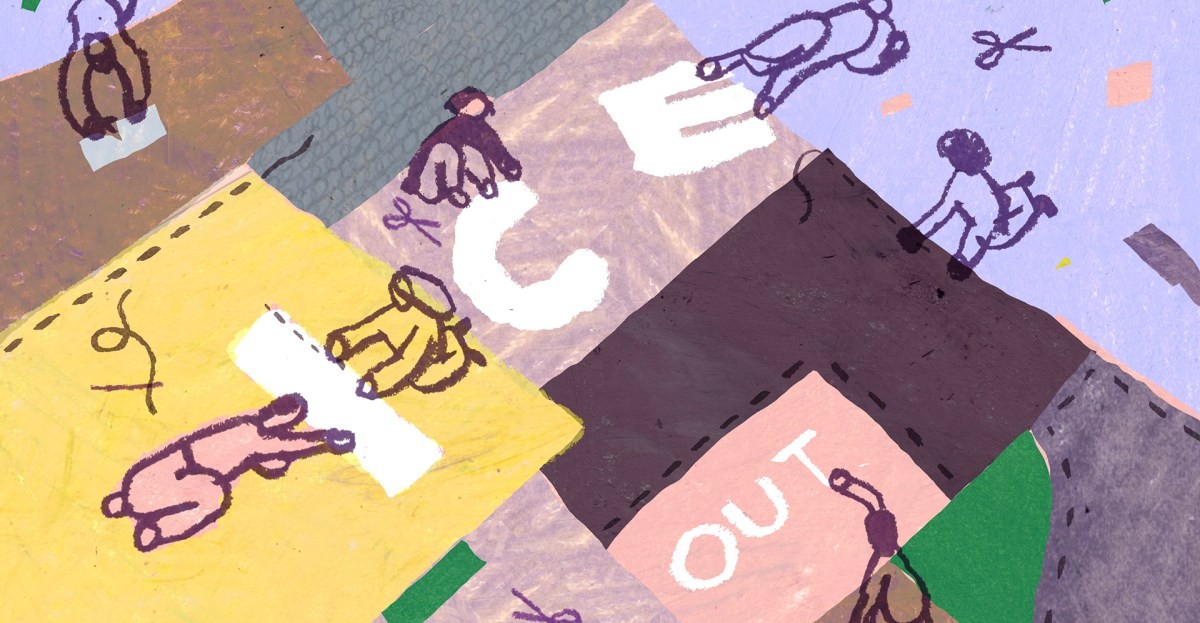
In a political climate defined by escalating authoritarianism, from family separations at the border to state-sanctioned violence, a surprising form of resistance has re-emerged: craftivism. Knitting, quilting, and other handmade arts are no longer just hobbies; they’re weapons in a renewed struggle against oppression.
From Pussyhats to “Melt the ICE”: A History of Political Fiber Arts
The resurgence isn’t new. The 2017 Women’s March saw a sea of pink pussyhats, a visible symbol of defiance against Donald Trump’s presidency. However, the movement quickly faced criticism for its lack of inclusivity, with many women of color feeling excluded from the broader narrative. The hats became a symbol of performative activism, seen as cringe-worthy rather than effective.
But in the wake of Trump’s second election, the stakes have risen. As ICE agents escalate deportations and violence, craftivism has taken on a more direct, localized edge. The Minneapolis yarn shop, Needle & Skein, released a pattern for “Melt the ICE” hats, inspired by Norwegian anti-Nazi designs. The response was immediate: over $720,000 raised for immigrant aid groups in just months, purchased by people in 44 countries.
Why Craft? Community, Anger, and Tangible Action
The appeal lies in its accessibility and the sense of community it fosters. Gilah Mashaal, owner of Needle & Skein, explains: “The news is so ugly all the time… you find people and you do things with those people. And since we’re crafters, that’s what we’re doing.” It’s about building solidarity in the face of fear and desperation.
Unlike the broader, often diffuse goals of the Women’s March, today’s craftivism is hyper-focused. Stickers, manicures, quilts, and knitted hats all carry a clear message: anti-ICE resistance. The movement isn’t limited to any one demographic; it’s embraced by people of all ages, races, and backgrounds.
Beyond Performative Activism: The Power of Tangible Resistance
While some dismiss craftivism as mere virtue signaling, its power lies in its tangible impact. The money raised through the “Melt the ICE” pattern directly supports immigrant aid organizations. The act of creating these items—whether a hat, a quilt, or a piece of nail art—is a defiant act against despair.
Historians point out that this isn’t new. From colonial women boycotting British textiles to Black story quilts preserving oral histories during slavery, crafting has always been a tool for resistance. Today, it’s simply adapted to a new era.
The Future of Resistance Is Handmade
Craftivism is not a solution in itself, but it’s a powerful component of a broader movement. As Catherine Paul, a knitter and activist, puts it: “I wanted that persistence, a reminder of the way that craft can help us persist.” In a world increasingly defined by fear and division, the simple act of making something with your hands can be a radical act of defiance. The questions of inclusivity that plagued earlier movements remain, but for now, the focus is clear: resist, create, and build community one stitch at a time.