The rise of AI image and video generation has created a new challenge for creators: navigating a crowded field of tools, each with its own strengths, quirks, and distinct “personality.” Rather than simply choosing the most recognizable brand, professionals are now selecting AI models based on their specific capabilities, reputation, and even feel for a given task. This trend reflects the rapid expansion of generative AI and the need for creators to adapt to an overwhelming number of options.
The Emergence of AI “Personalities”
Over the past few years, generative AI has exploded in growth, with 2025 marking a turning point for creative media models. While chatbots redefined text generation, AI image and video tools are now fundamentally changing content creation. As the market matures, these tools are no longer just functional – they’ve developed reputations for excelling in particular areas, leading creators to describe them colloquially as having unique “personalities.”
This isn’t about AI consciousness; it’s about practical performance. Each model handles specific tasks differently and consistently delivers a distinct style.
“Creators are humanizing these tools. They call them ‘the creative one’ or ‘the detailed one’ because they’re building actual relationships with their AI. It’s not just software anymore,” says Tiffany Kyazze, founder of the AI Flow Club.
The selection process now mirrors choosing the right tool for a traditional craft – like picking a camera lens or paintbrush. Just as each instrument offers a different feel and result, each AI model brings something unique to the table.
The Key Players and Their Traits
The competitive landscape has forced AI companies to prioritize quality and specialization. Here’s how some leading models stand out:
- Google’s Veo 3 (video): Known for its cinematic quality, natural motion, and high resolution.
- Flux (video): Excels at realism, especially in generating believable human features.
- Runway (video): Offers full creative studio control for hands-on users.
- Sora (video): Best suited for ideation, exploration, and viral content.
- Midjourney (image and video): Highly creative, ideal for artistic or stylized work.
- Google’s nano banana (image): Strong at maintaining character consistency, useful for branding and social media.
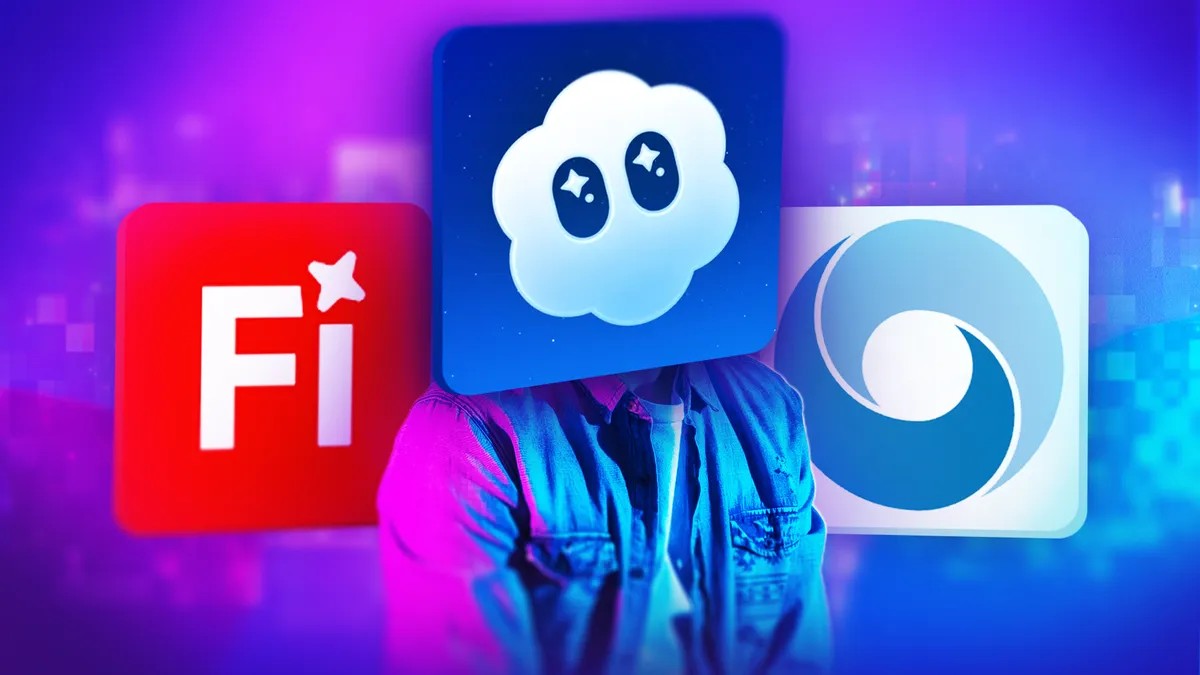
- Adobe Firefly Image Model 5 (image): Focuses on commercially safe outputs for professional applications.
Even chatbots exhibit distinct behaviors. ChatGPT is often described as personable (sometimes overly so), while Claude is favored for research, and Gemini integrates seamlessly with Google’s ecosystem. But the aesthetic preferences of image and video models are far more immediately apparent.
Why Multiple Models Matter
The benefits of using multiple AI tools include creative range and precision. Filmmaker Dave Clark, director at Promise AI, uses a hybrid workflow integrating Adobe Firefly, Google’s Veo 3.1, Luma’s Ray3, and traditional software like Photoshop and Premiere Pro.
“By blending multiple models, you get creative range and precision, almost like having a team of specialists,” Clark explains.
Kyazze emphasizes that the most successful creators are “tool-agnostic and goal-focused,” leveraging each model’s strengths rather than forcing a single tool to do everything. This approach increases efficiency and delivers superior results.
Evolution and Adaptation
AI model “personalities” aren’t static. Updates continually improve performance, refining their strengths and weaknesses. As the field evolves, staying informed about these changes is crucial.
The key is recognizing that AI remains a tool. Ultimately, it’s the human artist’s vision that drives the outcome.
“The human expression of the artist – our personality and creative point of view – is what truly drives the outcomes,” Clark concludes. “It’s not about replacing the traditional process; it’s about expanding what’s possible.”