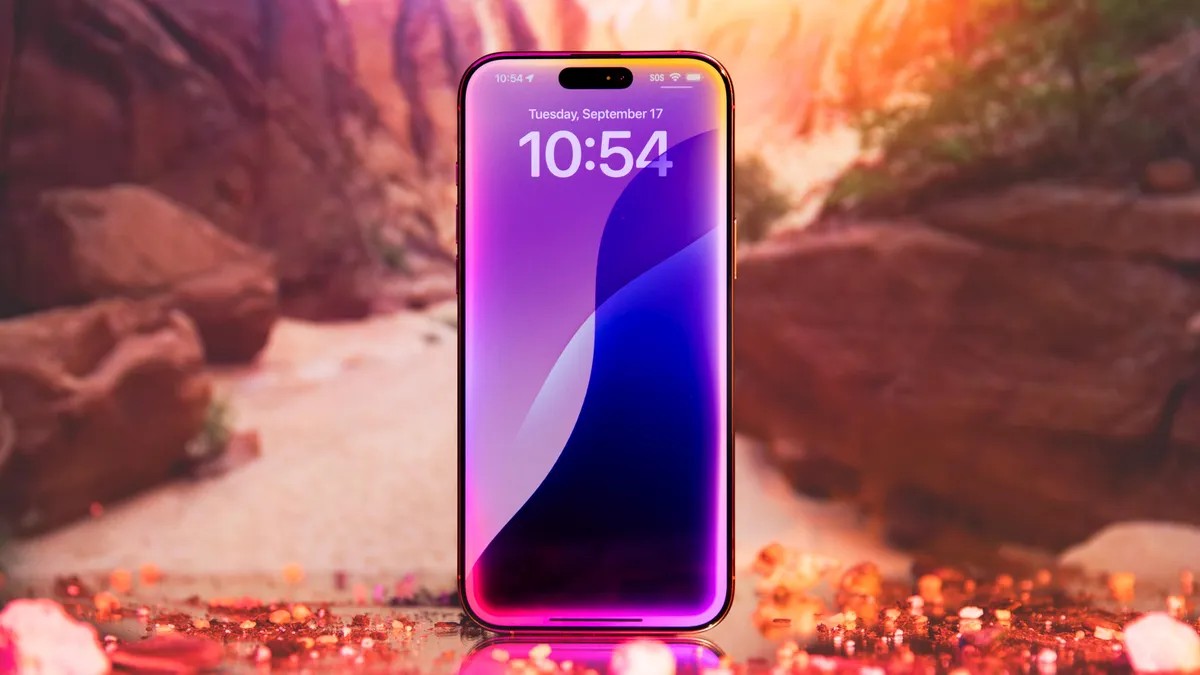
Apple’s latest software, iOS 26.2, is now available—but not for everyone. The update requires an A13 Bionic chip or newer, effectively cutting off support for older iPhones like the XS, XS Max, and XR. This means many users will need to upgrade their devices to continue accessing the latest features.
Hardware Requirements and Supported Models
The A13 Bionic chip became standard with the iPhone 11 series, setting a clear hardware baseline for iOS 26 compatibility. Here’s a full list of supported iPhones:
- iPhone 11
- iPhone 11 Pro
- iPhone 11 Pro Max
- iPhone 12 / Mini / Pro / Pro Max
- iPhone 13 / Mini / Pro / Pro Max
- iPhone SE (2nd generation and later)
- iPhone 14 / Plus / Pro / Pro Max
- iPhone 15 / Plus / Pro / Pro Max
- iPhone 16 / Plus / Pro / Pro Max
Those still using an iPhone XS, XS Max, or XR will not receive iOS 26, although Apple will continue to provide essential security updates for older systems (iOS 16 and 18) for the time being.
Apple Intelligence: An Added Layer of Exclusion
While all listed models can install iOS 26, advanced features under the “Apple Intelligence” umbrella are even more restricted. Only the iPhone 15 Pro, 15 Pro Max, 16, 16 Pro, and 17 models can use Genmoji, Image Playground, and Visual Intelligence search. This separation highlights Apple’s strategy of reserving cutting-edge capabilities for its most recent hardware.
The move to restrict features like Apple Intelligence to newer iPhones is a clear incentive for consumers to upgrade, solidifying Apple’s ecosystem dominance.
What This Means for Users
For many, this is a simple upgrade decision: stay on an outdated device with continued security patches, or invest in newer hardware for full iOS 26 functionality. This trend of hardware-locked software features is becoming more common, as companies push users toward the latest models to maximize revenue.
If you’re unsure which iPhone you have, you can check your model in Settings > General > About.