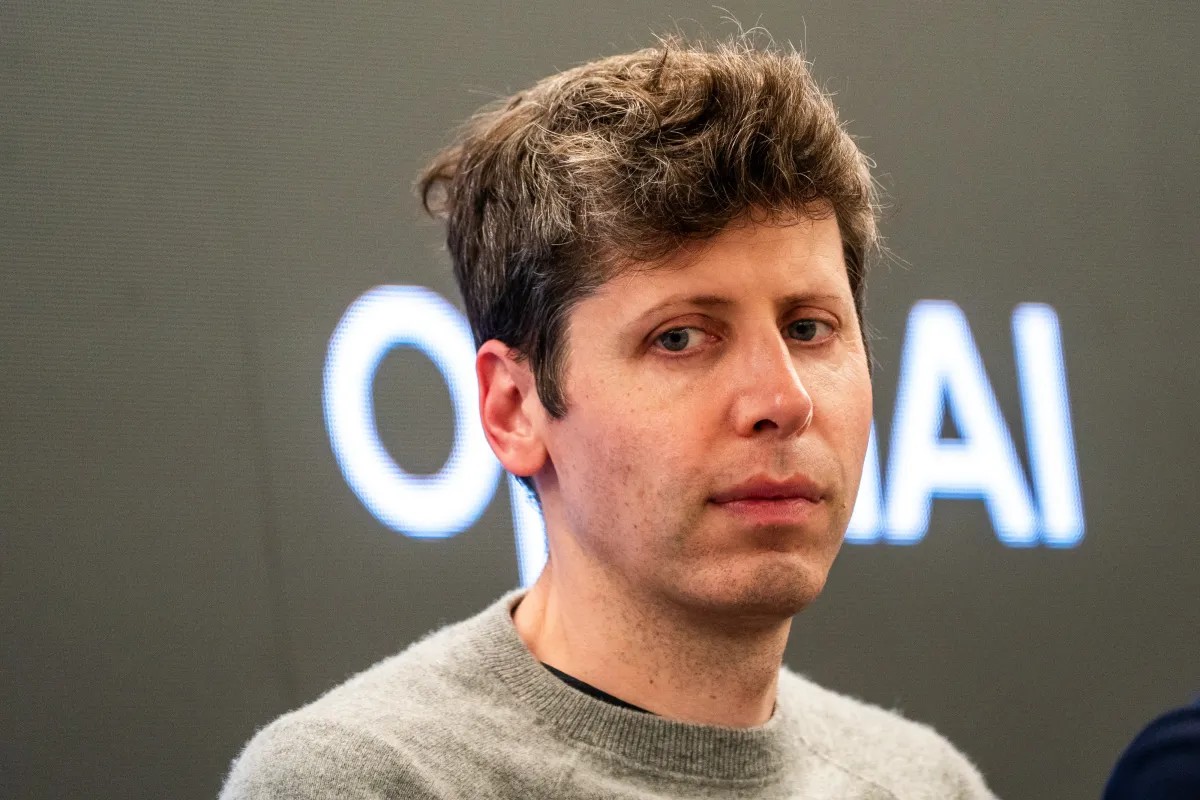
OpenAI CEO Sam Altman has broken his silence following a dual crisis: a physical attack on his residence and a scathing investigative profile in The New Yorker. In a recent blog post, Altman addressed the intersection of media narratives and real-world consequences, reflecting on his leadership style and the volatile nature of the AI industry.
A Physical Escalation in San Francisco
The tension surrounding OpenAI moved from the digital to the physical early Friday morning when an individual allegedly threw a Molotov cocktail at Altman’s San Francisco home. While no injuries were reported, the incident escalated when a suspect was later arrested at OpenAI headquarters for threatening to set the building on fire.
Altman linked the timing of this violence to the recent publication of a highly critical profile in The New Yorker. He expressed concern that inflammatory media, published during a period of intense societal anxiety regarding Artificial Intelligence, could create tangible dangers for tech leaders.
“I brushed it aside,” Altman wrote. “Now I am awake in the middle of the night and pissed, and thinking that I have underestimated the power of words and narratives.”
The ‘New Yorker’ Profile: Questions of Trustworthiness
The article, co-authored by Pulitzer Prize winner Ronan Farrow and tech journalist Andrew Marantz, presents a portrait of Altman that contrasts sharply with his public persona. Based on interviews with over 100 sources, the piece highlights several critical themes:
- A Will to Power: Sources described Altman as possessing a “relentless will to power” that distinguishes him even from other high-profile tech industrialists.
- Reliability Concerns: The report cited anonymous board members who questioned Altman’s integrity, suggesting a disconnect between his desire to be liked and the potential consequences of his actions.
- Character Allegations: One source went as far as to describe a “sociopathic lack of concern” regarding the fallout of deceiving others.
This scrutiny is significant because, in the race to develop Artificial General Intelligence (AGI), the perceived character and reliability of those in control are as much a matter of public safety as the technology itself.
Self-Reflection and Leadership Mistakes
Rather than purely defending himself, Altman used his response to offer a candid assessment of his tenure at OpenAI. He acknowledged several personal and professional failings:
- Conflict Avoidance: Altman admitted that his tendency to avoid confrontation has caused “great pain” for both him and the company.
- The 2023 Board Crisis: He expressed regret over how he handled the conflict with OpenAI’s previous board, which resulted in his brief removal and subsequent reinstatement as CEO.
- Human Fallibility: He characterized himself as a “flawed person” navigating an “exceptionally complex situation,” stating that he is constantly working to improve.
The ‘Ring of Power’ and the Future of AGI
Altman utilized a literary metaphor to describe the current state of the AI industry, referring to a “Ring of Power” dynamic. He suggested that the intense competition to control AGI is driving individuals toward extreme and irrational behaviors.
To counter this, Altman proposed a shift in philosophy. Instead of a winner-take-all race where a single entity controls the “ring,” he advocates for broadly sharing the technology to ensure no single person or corporation holds absolute power over AGI.
He concluded by calling for a de-escalation of both rhetoric and physical tactics, urging the industry to focus on constructive debate rather than “explosions in fewer homes, figuratively and literally.”
Conclusion
Sam Altman’s response marks a rare moment of vulnerability for a major tech CEO, acknowledging that the intense scrutiny and high stakes of the AI race have moved beyond mere debate into a realm of personal and physical risk.