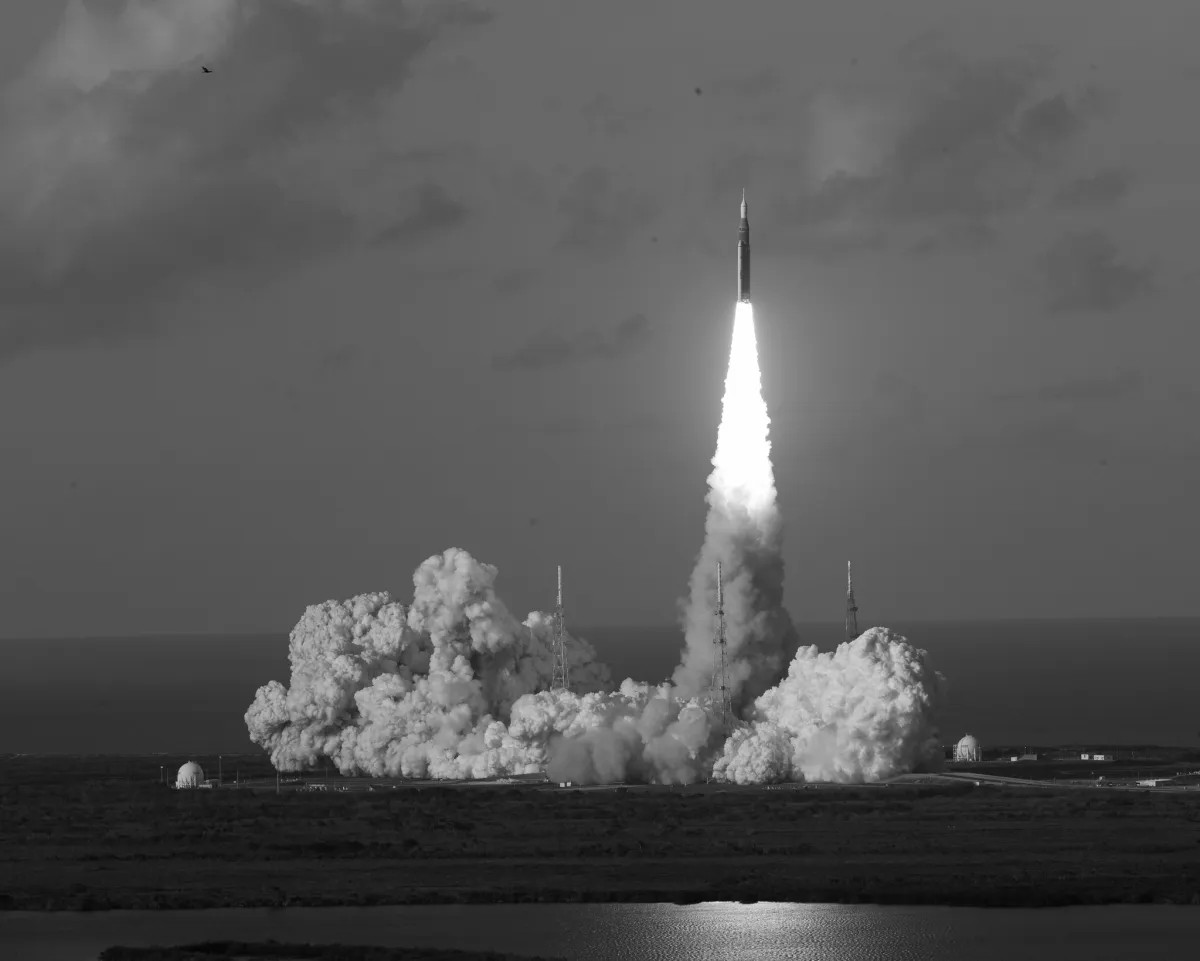
NASA’s Artemis II mission marks a turning point in space exploration: it’s likely the last crewed deep-space voyage heavily reliant on traditional aerospace contractors, rather than the disruptive force of venture-backed private companies. This shift coincides with SpaceX’s rise to prominence and a broader trend of Silicon Valley reshaping the space industry.
The Legacy System: SLS and Orion
The current lunar program originated under the Bush administration with the Space Launch System (SLS) rocket and Orion spacecraft. Despite escalating costs and delays, these projects persisted, largely due to established relationships with Boeing, Lockheed Martin, and Airbus Defense and Space. The SLS stands as the most powerful operational rocket today, recently completing a successful unmanned test flight around the moon in preparation for the Artemis II crewed mission.
However, this reliance on legacy systems contrasts sharply with SpaceX’s aggressive innovation in reusable rocketry and private investment. While SLS and Orion were mired in bureaucracy, SpaceX was rapidly iterating and driving down costs.
The Rise of Private Space
In 2010, NASA strategically began supporting private companies to develop orbital rockets, a move that proved pivotal for SpaceX. This decision triggered a surge in venture capital into space technology, and ultimately, SpaceX secured a contract for lunar landers via its Starship program.
The decision to prioritize Starship was controversial, as it requires numerous launches to refuel for lunar travel. Despite initial delays, NASA now relies on SpaceX and Blue Origin to develop human landing systems.
The Geopolitical Context
NASA’s shift toward private companies is not just about efficiency; it’s also a response to growing competition from China. With China aiming to land citizens on the moon by 2030, any delays in the U.S. program risk ceding technological leadership. SpaceX has become a model for Chinese companies, and the race to the moon now represents a critical test of Silicon Valley’s ability to dominate emerging technologies.
A New Era for NASA
Under the leadership of current NASA administrator Jared Isaacman, the agency has abandoned plans for a costly lunar space station called Gateway and is fully committed to private space firms. This represents a fundamental change in strategy, acknowledging the limitations of traditional government-led programs and the agility of the venture-backed space sector.
The future of lunar exploration hinges on whether Silicon Valley can deliver on its promise of rapid innovation and cost reduction. Failure to do so would not only delay U.S. ambitions but also allow China to seize a decisive advantage in the next technological frontier.
The Artemis II mission is not just a return to the moon; it’s a symbolic handover of power from the old guard of aerospace to the disruptive forces of Silicon Valley.