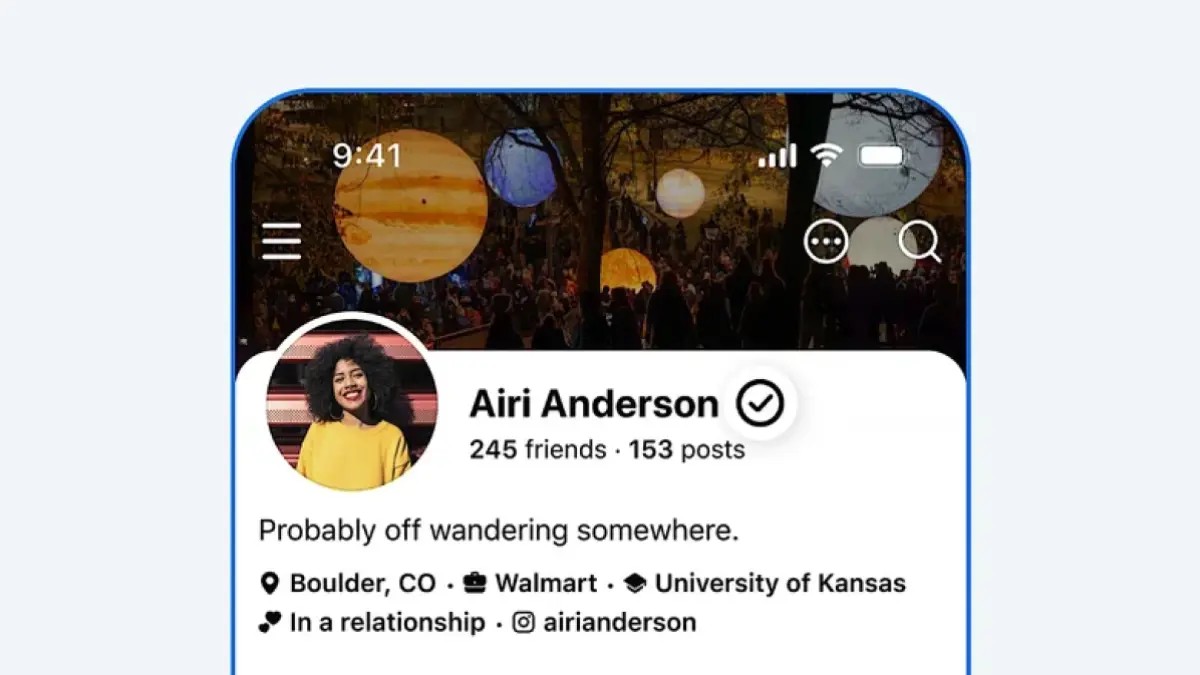
Facebook is changing the game. Not with money. Not with subscriptions. They’re handing out a blue checkmark to anyone who can prove they are, well, human.
It’s called Facebook Verified. And you don’t have to pay a dime for it.
The goal? To stop the flood of AI-generated ghosts, fake profiles, and scammers who have turned the platform into a digital minefield. According to a blog post released this week, artificial intelligence makes it “easier to generate content, profiles, and messages.” This creates chaos. Real people get confused. Bad actors thrive in the confusion.
So here is the fix.
How to Get Facebook Verified for Free
The process is brutal in its simplicity.
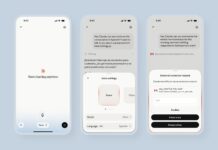
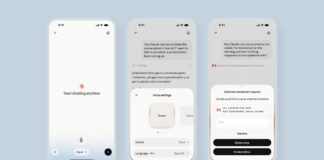
You record a short video selfie. That’s it.
Facebook’s algorithm then checks that moving face against your existing profile photos. It confirms that the person in the camera is the same person in the pictures. The whole thing supposedly takes just a few minutes.
But wait. There are catches.
You can’t just grab this badge if you’re flying under the radar of bad behavior. You must be:
- At least 18 years old.
- In good standing with Community Standards.
- Clean of fraud, scams, or deceptive practices.
- Free of any “inauthentic behavior.”
If you’re a bot? Good luck. If you’re a scammer using deepfakes to trick people? The system will likely flag you. This isn’t just a cosmetic upgrade. It’s a trust signal.
The badge is not for everyone. Pages? No. ProMode accounts? No.
It’s for individuals. Real humans.
Where Will You See the Badge?
Don’t expect it to plaster every comment you make tomorrow.
Facebook is rolling this out in phases. First, it shows up where it “matters most.” This means high-risk or high-interaction zones:
- Marketplace – where strangers buy and sell things.
- Dating – where trust is literally the currency.
- Groups – where communities gather.
- Profiles – the home base of your digital identity.
Feed posts? Not yet. Facebook says it will add verification there “over time.”
This rollout starts in select markets. It’s global, eventually, but it’s happening slowly. Why the hesitation? Likely to test the tech. To see if the selfie check actually stops the bad guys.
Why Free Verification Changes Everything
Remember Meta Verified?
That’s the paid subscription Meta introduced in 2023. It cost money. It felt like a tax on authenticity, similar to the pay-to-play model Elon Musk brought to X. It signaled status, sure, but it also created a two-tier system. Rich users get trust. Poor users get ignored.
This new Facebook Verified program flips that script.
It removes the paywall. If you’re real, you’re verified. No subscription required. No monthly fee. This distinguishes the organic trust of a human identity from the purchased prestige of a celebrity brand.
Why does this matter? Because scammers rely on ambiguity. They rely on the fact that a fake profile looks just like a real one. When a badge signals “this person has proven their face,” it raises the cost for fraudsters. They have to create better fakes. Or they have to give up.
Which will they do?
The rollout is just beginning. It’s messy. It’s restricted to specific features right now. But the intent is clear.