


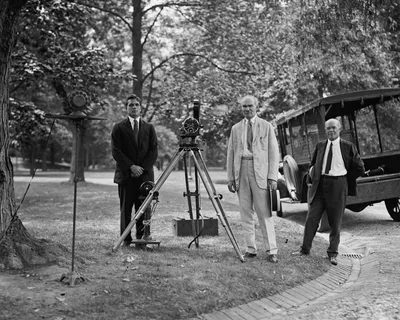
Phonofilm was the system that finally made talking pictures possible. Before this technology, sound and image were separate entities, often requiring clumsy coordination. The 1920s marked the end of that era. This method allowed a sound track to be physically recorded on the film itself, ensuring synchronization that mechanical timing could not always achieve.
How the recording process worked
The mechanics were surprisingly elegant for the time. A beam of light was modulated by sound waves. This modulated light then exposed a specific section of the film, creating a visual record of the audio. It wasn’t digital. It was light hitting silver halide.
Why this mattered for playback
Reproducing the sound required a reverse process. During projection, a light beam passed through the sound track on the film. The varying density of the track changed the intensity of the light hitting a photocell. That photocell converted the light fluctuations back into electrical signals.
- Light intensity varied based on the film track
- The photocell detected these changes
- Electronics amplified the resulting signal
The response of the photocell was electronically amplified.
This setup meant the audio was literally part of the visual medium. No separate disc. No external sync. If the film moved, the sound moved with it.
What this changed for viewers
For audiences in the 1920s, this was a revelation. The connection between what you saw and what you heard felt immediate. It removed the lag and potential drift found in earlier sound-on-disc systems. The technology laid the groundwork for the synchronized sound films that became the industry standard.
Did it feel magical? Probably. It was invisible technology doing heavy lifting. The beam, the cell, the amplifier. Simple components, combined in a way that transformed cinema. The shift was less about louder sound and more about unity. Image and voice, locked together.


