One click error. That alone means you lose everything.
malicious link. The download is corrupted. Suddenly the screen freezes. file not found. Instead I was told to pay. This is a ransomware. This is no longer just a nightmare for businesses. It is coming for your personal data.
Experts have warned that attacks on individuals are on the rise. Criminals have changed their tactics. They used to target big banks and hospitals. Now they’re targeting you. They want your photos, your documents and your digital life.
What really happened
Ransomware is a type of malware designed to lock users out of their systems. Encrypt files on your hard drive. It cannot be opened. It cannot be copied. It also cannot be deleted.
Hackers are holding your information hostage. They asked for payment. Usually cryptocurrencies. If you pay money, they can give you a decryption key. If you don’t pay, your data may be leaked or permanently deleted.
“Cyber blackmail targeting individuals is increasing dramatically.”
This is not a hypothetical threat. It’s happening now. The technology is available. The tools are cheap. Anyone with an Internet connection can launch such an attack.
Why target private users?
You may think that you have nothing of value. You are wrong.
Hackers don’t care about your savings account directly. They care about the information you own. your tax return. A scanned copy of your ID card. your family photos. Bank statement.
There is a secondary market for this information. It can be sold to other criminals. Or it can be used for identity theft.
In addition, private users are often less protected. You might not have enterprise-grade security. You might ignore software updates. Because it looks like a bank bill, you might be tempted to click on a suspicious link.
How to protect yourself
Prevention is better than payment. And payment is rarely guaranteed.
- **Backups are non-negotiable. ** Save copies of important files to external drives or cloud services that don’t sync in real time. If your main drive is encrypted, all you need to do is attach a backup.
- **Keep your software up to date. ** Patch your operating system. Please update your browser. Fix vulnerabilities that hackers use to gain entry.
- **Be skeptical of links. ** Do not click on email attachments from unknown senders. Do not download cracked software.
- Use a strong password. And use a password manager. Even if one website is compromised, your other accounts will remain safe.
Reality of payment
Should you pay if you get hit?
Most experts say no. Paying funds criminal operations. It encourages more attacks. Also, there is no guarantee that you will get your files back. Sometimes the keys don’t work. Sometimes hackers disappear.
There is no silver bullet. Just be careful. The digital world is hostile. Stay sharp.
Ransomware targets vulnerable groups
I clicked the link. Maybe it’s a suspicious email or just bad habits. The entire hard drive is now locked. I can’t see my desktop or photos on the screen. It shows a demand. Pay up. Usually Bitcoin. The promise was simple. pay, get your files back.
The ransom does not necessarily have to be an astronomical amount. They usually cost only a few thousand euros. But what about the damage? It’s huge. You no longer have your own computer. Completely.
Over the years, these attacks have targeted cities, hospitals, and large corporations. These companies have deep pockets when it comes to security teams. They have firewalls. They have protocols. Hackers have learned that these protections are difficult to breach. So they changed their strategy.
It’s easier for individual users.
Why home computers are the new frontier
Companies raised their shields. Most people don’t.
“Most private IT users have antivirus software,” says Christian Schaaf of Corporate Trust in Munich. “Ransomware and cyber trojans like Locky and Bart mean nothing to them.”
This vulnerability is exactly what the attacker exploited. The security measures in homes was very weak. Criminals are moving their business models to personal computers. They look for vulnerabilities that most people don’t notice.
“Locky” and “Bart” threats
You may not recognize these names. That’s the point.
Trojans like Locky and Bart are not flashy. They don’t seek attention. They slide in and spread. They encrypt. When you realize something has gone wrong, your files are gone. Your data is held hostage.
Most people rely on generic protection. This is not enough. These specific types of malware know how to avoid basic defenses. They wait for the moment of distraction. A wrong click. A curious attachment. It only takes one mistake.
The result? You are locked out.
Who is really at risk?
It’s not just about the software. It’s a matter of awareness. Many individual users think they are safe because there is a “program”. They don’t understand the complexity of modern ransomware.
Hackers know this. They target the unaware. They count on the fact that most people don’t know what a “Trojan horse” is until it’s too late.
The transition from corporate attacks to personal attacks is no accident. This is calculated. The ROI is higher. The defense is lower. Regular users are the weak link.
And the attacks continue to increase. More often. More targeted.
What happens when your family photos are encrypted? When was the last time your tax documents were held for ransom? This threat is no longer just for companies. It’s everywhere.
The window is closing. The hackers are moving in. Are you ready?

Es ist 950 Euro. Nicht schlecht für eine Klick. Mathias M. weiß das besser als die meisten. Der Vertriebsleiter eines deutschen Sanitätshauses hält sich für einen vernünftigen Nutzer. Kein Social-Media-Junkie. Kein Nacht-Scrollen bis zum Umfallen. Er nutzt seinen privaten Laptop, wenn die Arbeit Feierabend hat. Banküberweisungen machen. Auf eBay nach Teilen suchen. Amazon für Urlaubs-Check-Outs. Nachrichten lesen. Die Welt im Griff behalten.
Dann kommt der Moment, an dem alle Kontrolle weg ist.
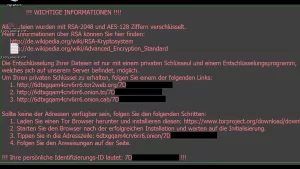
Es war kurz vor dem Filmstart. Abends. Müde. Er wollte nur kurz E-Mails checken. Eine Mail. Ein Anhang. Ein Klick. Das war’s. Der Bildschirm schwarz. Oder besser: ein Fenster, das ihm die eigene Unschuld vorhielt. Ransomware. Das ist der Fachbegriff für die Software, die seine Dateien verschlüsselte. Und damit seine Privatsphäre, seine Fotos, seine Dokumente. Alles weg. Nur noch die Forderung.
3,4 Bitcoins.
Bei einem Kurs von rund 950 Euro pro Stück summiert sich das auf stolze 3.230 Euro. Mehr als sein monatliches Gehalt als Vertriebsleiter. Der Täter weiß genau, wie man drückt. Nicht nur finanziell. Sondern psychologisch. Die Zeit rennt. Der Film fängt gleich an. Aber die Angst sitzt tiefer. Was ist in den Dateien? Steuerdaten? Private Bilder? Die Erinnerung an die letzte Reise?
Warum Sie nie zahlen sollten
Die erste Instanz bei Ransomware-Erpressung will oft sagen: “Zahl einfach.” Es ist schnell. Es ist einfach. Es scheint der einzige Ausweg. Ein fataler Fehler.
Wenn Sie zahlen, bestätigen Sie nur, dass Ihr System angreifbar ist. Sie finanzieren die nächste Welle. Und die Entschlüsselung? Garantiert ist nichts. Oft bekommen Sie gar keinen Key. Oder einen, der nicht funktioniert. Die Kriminellen sind kein Support-Team. Sie sind ein Geschäftsmodell. Ein skrupelloses.
Mathias stand vor einer Wahl. Tausende Euro zahlen? Oder verlieren?
Er nahm den zweiten Weg. Erstmal durchatmen. Panik hilft nicht. Dann der erste Schritt: Das System isolieren. Laptop vom Netzwerk trennen. Kein WLAN. Kein Ethernet. Das verhindert, dass sich die Malware weiter ausbreitet. Auf andere Geräte im Haus. Auf die Arbeitslaptops im Sanitätshaus.
Datenrettung ohne Geld
Viele denken, verlorene Daten sind für immer weg. Das stimmt nicht immer. Bei Ransomware-Datenrettung gibt es oft Wege, die nicht über die Zahlung führen.
Erstens: Backups. Hatte Mathias welche? In diesem Fall wohl nicht aktuell genug. Sonst hätte er einfach neu aufgesetzt. Aber ein Backup ist kein Allheilmittel, wenn es selbst kompromittiert ist. Cloud-Backups, die nur einmal im Monat synchronisieren, können ebenfalls infiziert sein, wenn das Zugriffsrecht übergeben wird.
Zweitens: Entschlüsselungstools. Die Cybersecurity