Vacation means rest. No calls. No stress. No calendar invasions. But here’s the kicker: for many, this doesn’t mean going offline. Germans, in particular, seem unwilling to surrender their internet access or smartphone connectivity while on holiday, according to recent polling data.
Surfing the web. Checking emails. Getting turn-by-turn directions. Looking up local info. The internet has become an indispensable companion in daily life. And travelers want to keep that companion with them, even when crossing borders. They aren’t even shy about paying extra. Higher roaming charges? They’ll swallow the cost. But wait—there’s usually a smarter way. Good options exist abroad to sidestep those hefty fees entirely.
The German Traveler’s Digital Dilemma
Why do Germans cling to connectivity abroad? It’s not just habit. It’s utility. Imagine being in a foreign city. You don’t speak the language. You need a pharmacy. Or a train schedule. Or a restaurant reservation. Your phone is your lifeline. Without it, you’re lost. Literally.
Roaming fees used to be the enemy. They skyrocketed. They ate into vacation budgets. They turned simple texts into financial crises. But the landscape has shifted. EU regulations have capped roaming charges. Many providers now offer inclusive data packages. And alternatives abound. Local SIM cards. eSIMs. Wi-Fi calling. The tools to stay connected without breaking the bank are everywhere.
Hacking the Roaming System
How do savvy travelers avoid the fee trap? They don’t just accept the default carrier’s roaming rate. They plan. They research. They compare.
- Local SIMs : Buy a prepaid SIM card at the airport or a local store. Cheaper data. No roaming fees. Just call your carrier before leaving to ensure your phone is unlocked.
- eSIMs : Digital SIMs. Downloadable. Instant activation. Perfect for short trips. Apps like Airalo or Holafly offer regional data plans. No physical card needed.
- Wi-Fi Calling : Use your home carrier’s network over Wi-Fi. Calls and texts count as domestic usage. Roaming charges vanish. Check with your provider first.
- Offline Maps : Download maps before you leave. Google Maps and Apple Maps let you save areas for offline use. No data needed for navigation.
Which option works best? It depends. Short trip? eSIM. Long stay? Local SIM. Minimal data needs? Wi-Fi calling plus offline maps. The key is knowing your options. And using them.
The Cost of Connectivity
Why pay more when cheaper alternatives exist? Greed? Ignorance? Habit? Some travelers simply don’t know. Others don’t care. They’d rather pay a premium for convenience. But convenience has a price. And that price adds up.
Consider this: A week in Europe. Roaming charges. $50. $100. $200. It varies. But local data? Often under $20. eSIMs? Sometimes under $10. The savings are real. The time to research is minimal. The risk of being stranded is low. So why not optimize?
Beyond the Screen
Is the internet truly indispensable? Or is it a crutch? Maybe both. For some

The Digital Detox Myth
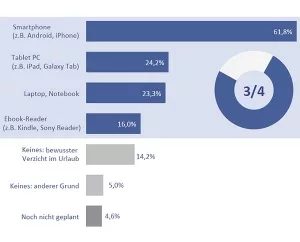
Ask any German holidaymaker about their packing list, and you’ll likely hear about chargers before sunscreen. A recent survey of over 2,000 German internet users confirms what many of us already suspect: staying connected isn’t just an option, it’s a requirement. More than 60 percent bring a smartphone. Forty percent go heavier, packing two devices—usually a phone and a tablet.
The goal isn’t just presence. It’s activity. Seventy-six percent plan to use their mobile gear intensively. Only one in seven wants a digital detox. The idea of disconnecting online while abroad seems almost quaint now.
But the way we use the internet changes when we cross borders. At home, the browser is a utility. We shop. We bank. We research product specs in minute detail. On vacation, the usage shifts. It’s about distraction. It’s about emailing friends back home or scrolling through social feeds to prove you’re having fun. It’s also practical—checking maps, translating menus, or reading reviews for that last-minute dinner spot. The utility remains, but the intent softens.
Roaming Costs Are No Longer a Barrier
Fear of bill shock used to dominate the conversation. Not anymore. Only 4 percent of users say they would skip the internet abroad due to cost. That number is tiny. The landscape has shifted.
Nicole Rüdlin from the Internet World Expo notes that users now know how to avoid nasty surprises on their phone bills. The anxiety has evaporated because the alternatives are everywhere.
“Most internet users know today how to avoid bad surprises on their phone bill,” says Rüdlin.
Wi-Fi is ubiquitous. Hotels. Airports. Restaurants. Free hotspots are the new standard. If that’s not available, carriers have caught up. Temporary international flat rates offer cost certainty. You aren’t gambling on per-minute fees anymore. You’re paying for access, plain and simple.
This change in behavior matters because it redefines the travel experience. We don’t just visit a place; we overlay it with digital context. Maps guide our steps. Messages bridge the time zone gap. The fear of disconnection is stronger than the fear of cost.
So, do you check in before you leave the hotel? Probably. Do you worry about the bill? Less so. The tools are better. The habits are deeper. The only question left is whether you’ll actually put the phone down to look at the view, or just take a picture of it to post later.