Choosing the most secure browser isn’t just about picking a name off a list. It’s about deciding who sees your data. You. Or the companies building the internet. Modern web browsers differ widely in their security features, so here’s a rundown of the top contenders.
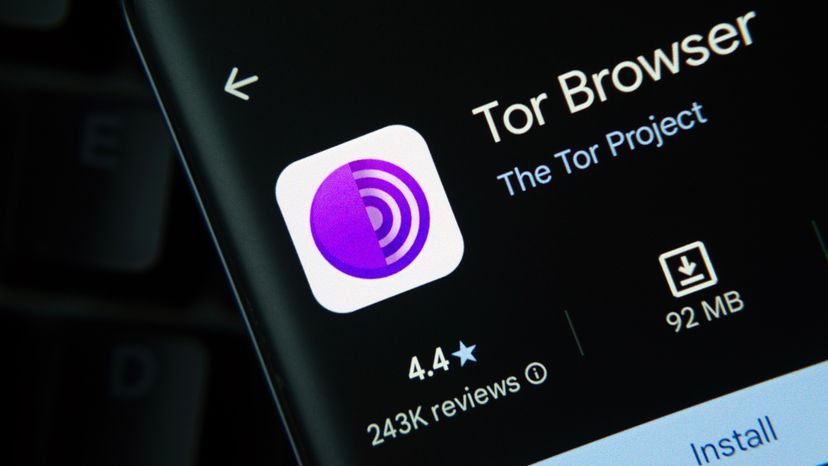
1. Tor Browser
Built for anonymity. Tor routes your web traffic through a decentralized network. This makes it nearly impossible to trace your activity. It blocks third-party cookies. It protects your IP address. But it does not disable scripts by default. You must enable script blocking via Tor Browser’s security settings manually.
Though it’s slower, it’s ideal for accessing the dark web and maintaining strict privacy.
3. Brave Browser
The Brave browser is a rising star among privacy-focused browsers. It blocks third-party ads, cross-site tracking, and even malicious downloads. You can use Brave Search (its private search engine) and set it as your default search engine. It also includes HTTPS Only mode, private window mode, and automatic ad blocking.
4. Mozilla Firefox
The Firefox browser offers robust privacy features. It includes tracking protection, password manager integration, and the ability to toggle deleting browsing history on exit. It’s open-source. It receives frequent security updates. It lets you install extensions to enhance security settings.
Firefox also helps protect users from malicious sites with built-in warnings.
5. Epic Privacy Browser
Based on Chromium, Epic Privacy Browser strips away Google’s tracking. It blocks web trackers. It disables third-party data storage. It removes auto-sync features. Epic includes a built-in encrypted proxy that, when enabled, routes your web traffic through a server to mask your IP address and location.
6. DuckDuckGo Browser
Known for its privacy focused search engine, DuckDuckGo now offers a browser that enforces strict privacy practices. It blocks tracking scripts, malicious ads, and lets you wipe browsing data with one click. It’s a good pick for Apple users seeking simplicity and security.
7. Google Chrome
The Chrome browser is still the default browser for many windows users. But it ranks lower on this list due to data collection policies. It includes solid security practices like sandboxing and regular patches. But it falls short in privacy features unless heavily customized.
We created this article in conjunction with AI technology, then made sure it was fact-checked and edited by a HowStuffWorks editor.
Startpage: The Most Private Search Engine
Startpage doesn’t track your browsing habits. Period. It uses Google search results without storing personal info. Unlike many mainstream browsers, Startpage offers aggressive tracker blocking by default.