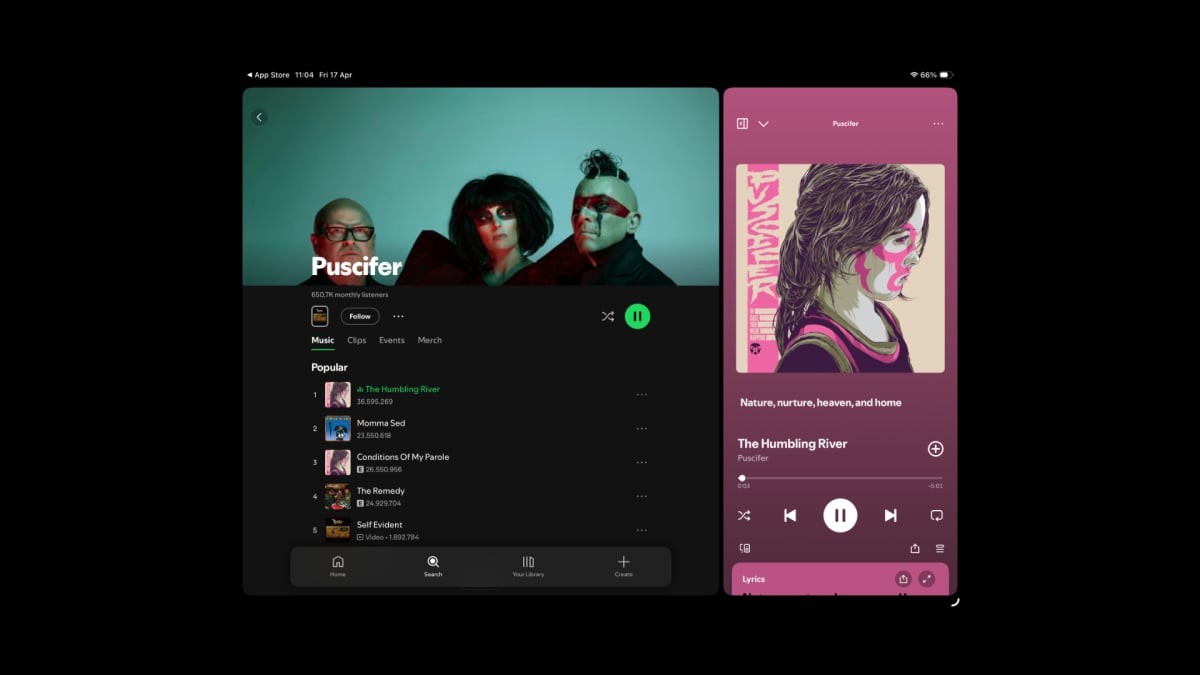
Spotify has rolled out a significant design update for its iOS and Android applications, specifically targeting users of tablets and foldable smartphones. The update moves away from simple screen resizing, opting instead for a sophisticated, adaptive interface that utilizes larger displays more effectively.
A Smarter Use of Screen Real Estate
The core of this update lies in how the app manages extra space. Rather than merely stretching the mobile interface, Spotify has introduced a multi-pane layout designed for larger screens:
- Split-Screen Browsing: On devices like the iPad, users can now browse music libraries or playlists in a large window on the left, while a dedicated “Now Playing” sidebar remains visible on the right.
- The Interactive Sidebar: This sidebar is not just for playback controls. It houses album art, lyrics, artist information, and related videos. Users have the flexibility to collapse the sidebar to maximize browsing space or expand it to fill the screen.
- Adaptive Layouts: The app is now more responsive to orientation changes. Switching from portrait to landscape mode triggers a reconfiguration of the interface elements rather than a simple stretch, ensuring the UI remains intuitive and polished.
- Enhanced Controls: A new, prominent “Switch to Video/Audio” button has been added, streamlining the transition between different media formats.
Why This Matters: The Shift Toward Foldables
This update is more than just a cosmetic facelift; it represents a strategic move to keep pace with evolving hardware trends. For years, mobile app design has been dominated by the “vertical” smartphone experience. However, the rise of foldable devices and the continued popularity of tablets have created a middle ground that requires a different design philosophy.
By optimizing for these form factors, Spotify is addressing two key market shifts:
1. The Foldable Revolution: As manufacturers release more foldable phones, apps must be able to transition seamlessly from a standard phone aspect ratio to a wider, tablet-like experience when unfolded.
2. Hardware Speculation: With rumors circulating about Apple potentially entering the foldable market, Spotify is positioning itself to be “ready on arrival” for whatever new hardware may emerge later this year.
“Tablets give you more room to explore, so we designed it to let you browse and discover new favorites alongside what’s already playing,” says Nicole Burrow, Spotify’s Head of Design.
Conclusion
Spotify’s latest update transforms the app from a simple mobile player into a robust, multi-functional media hub for larger screens. By embracing adaptive design, the company is ensuring its platform remains central to the user experience as the hardware landscape shifts toward foldable and high-resolution tablet devices.