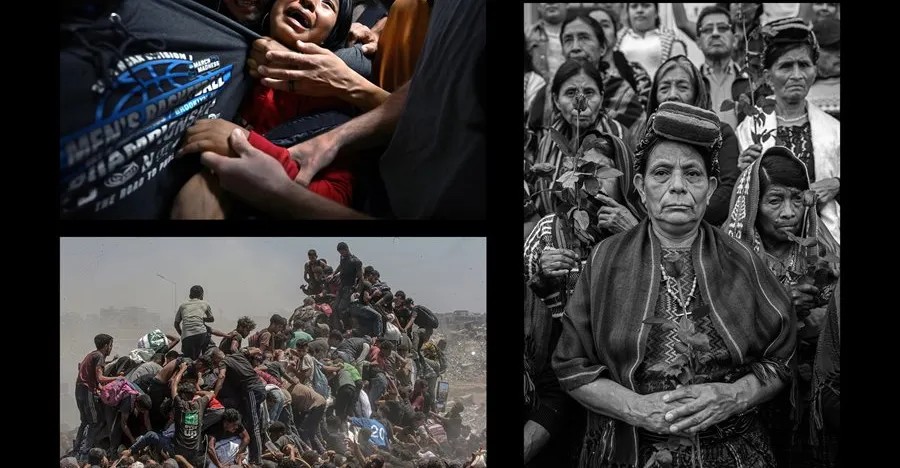
A prestigious photography competition has issued a definitive stance on the role of artificial intelligence in modern imaging, setting rigorous boundaries to answer a fundamental question: What truly constitutes a photograph?
As generative AI becomes increasingly integrated into digital workflows, the contest has established a strict framework to distinguish between traditional photographic capture and synthetic creation.
The Core Requirement: Optical Capture
The fundamental rule of the competition is simple but uncompromising: every entry must be captured with a camera.
To maintain the integrity of the medium, the organizers have implemented a total ban on:
– Synthetic or artificially generated images: Images created from scratch via prompts are strictly prohibited.
– Generative Fill: The use of AI-driven “generative fill” during post-production is an automatic grounds for disqualification.
This distinction is crucial in an era where the line between a “captured moment” and a “constructed image” is blurring. By enforcing these rules, the contest aims to preserve photography as a record of light and reality rather than a product of algorithmic synthesis.
Smartphone Photography: Limits on Automation
While smartphones are widely used for professional-grade photography, the contest imposes specific limitations on how they are used. To ensure the image remains a faithful representation of what the sensor saw, only standard shooting mode is permitted.
Submissions utilizing automated computational photography features are ineligible, including:
– HDR (High Dynamic Range) modes
– Portrait mode (artificial depth-of-field effects)
– Creative lighting effects
– Panorama mode
These restrictions target “computational photography,” where software makes decisions about light and focus that the hardware alone could not achieve, effectively “re-imagining” the scene rather than just recording it.
The Boundary of AI: Enhancement vs. Generation
The contest does not ban all digital tools, but it draws a hard line between enhancement and invention.
What is permitted?
Judges will allow the use of “smart tools” or AI-powered enhancement features, provided they meet a strict criterion: they must not significantly alter the image, introduce new visual information, or remove captured data. In short, the tool must polish what is already there without changing the essence of the scene.
What is strictly prohibited?
The most significant restriction concerns AI-powered upscaling and sharpening tools, such as *Adobe Super