Most people don’t stop to think about the characters they type every day. They just hit keys. But behind every secure login, every compiled line of code, and every organized file is a foundational set of symbols. Alphanumeric characters. It’s a clunky term for something you use constantly.
These characters combine letters and numbers. That’s the core definition. But in the digital world, that combination is anything but simple. It creates a flexible system that handles everything from your bank password to the structure of a Python script. Understanding what these characters are and why they matter is less about computer science and more about how you interact with the internet daily.
What Exactly Are Alphanumeric Characters?
The name gives it away. “Alpha” for alphabetic. “Numeric” for numbers. Put them together and you get a versatile toolkit for data.
At its simplest, this set includes every letter from A to Z in both cases. It also includes the digits 0 through 9. But that’s just the baseline.
Real-world usage often expands this definition. It includes punctuation marks like commas, hyphens, parentheses, and slashes. It also embraces special characters. Think about the dollar sign, the ampersand, or the equal sign. You might even see national characters like the pound sterling or yen symbol in localized software.
Alphanumeric characters combine alphabetic characters, numerals, and often punctuation or symbols to create a robust system for data representation.
This expansion isn’t arbitrary. Punctuation structures code. Special characters denote specific functions in programming. Without them, text is just a flat string. With them, it becomes functional logic.
Why Your Security Depends on This Mix
The primary reason this mix matters to you is security. Specifically, alphanumeric passwords.
A password made only of numbers is easy for a brute-force attack to crack. A password made only of letters is also vulnerable to dictionary attacks. But when you combine them? You exponentially increase the complexity.
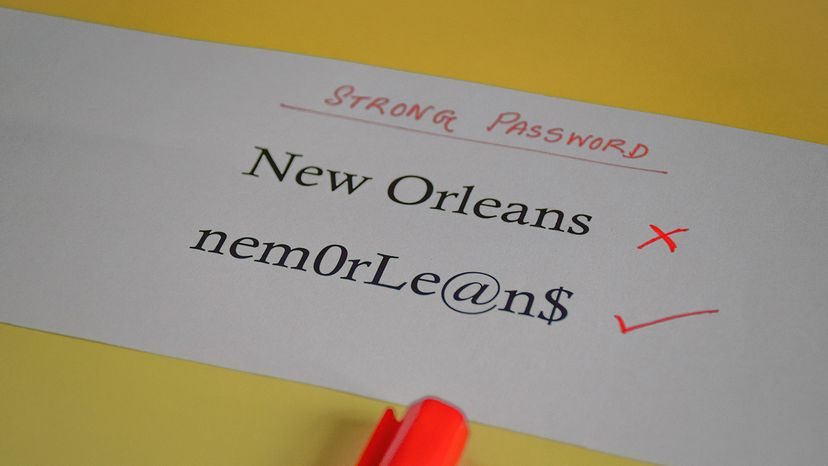
Consider the string “P@s$w0rD2024”. It uses uppercase and lowercase letters. It swaps letters for numbers (the ‘o’ becomes a zero). It inserts special characters. This is how you build resistance against unauthorized access.
The trade-off? Memory. These stronger passwords are harder to remember. That’s why password managers exist. But understanding the value of the alphanumeric character set helps you appreciate why your IT department or website insists on that specific complexity requirement.
Where These Characters Show Up
You don’t need to be a developer to see these characters in action. They are embedded in the infrastructure of your digital life.
File Organization
Look at a filename like “Project_Report_2024.pdf”. It uses letters, underscores, and numbers. This combination allows for unique, identifiable references. It aids in efficient data management. Without this mix, organizing thousands of files on a server would be a chaotic mess.
Programming Logic
In languages like Java, C++, and Python, alphanumeric characters are central. Code relies on combinations of letters, numbers, and symbols to create functional structures. A variable name might use letters and numbers. A mathematical operation might use symbols. It’s all alphanumeric at the root.
Data Representation
From coding systems to databases, this character set ensures accurate processing. Textual and numerical information needs a common language. Alphanumeric characters provide that link.
Real-World Examples
You encounter these patterns constantly. Here is how they manifest in everyday tech tasks.
- Strong Passwords : As mentioned, a mix of cases, digits, and symbols creates a higher entropy string. “P@s$w0rD2024” is a classic example of this principle. It’s not just random; it’s structured complexity.
- File Naming : “Project_Report_2024.pdf” demonstrates clarity. The underscores separate concepts. The numbers denote time. The letters describe content. It’s human-readable machine data.
- Programming Strings : In code, you might see “Hello_World_123”. This is a string literal. It combines text and numbers to test functionality or display information.
These examples show that alphanumeric characters are not just abstract concepts. They are the building blocks of digital organization and security.
The Bottom Line
We often take the simplicity of typing for granted. But the ability to mix letters, numbers, and symbols is what makes the digital world functional and secure. It allows for unique identification, complex logic, and robust protection.
Next time you create a password or name a file, pause for a second. You’re using one of the most fundamental tools in computing. It’s simple. It’s powerful. And it’s everywhere.
This article was created in conjunction with AI technology, then was fact-checked and edited by a HowStuffWorks editor.