The car left the lane.
It hit a house in Texas.
A 76-year-old woman inside is dead.
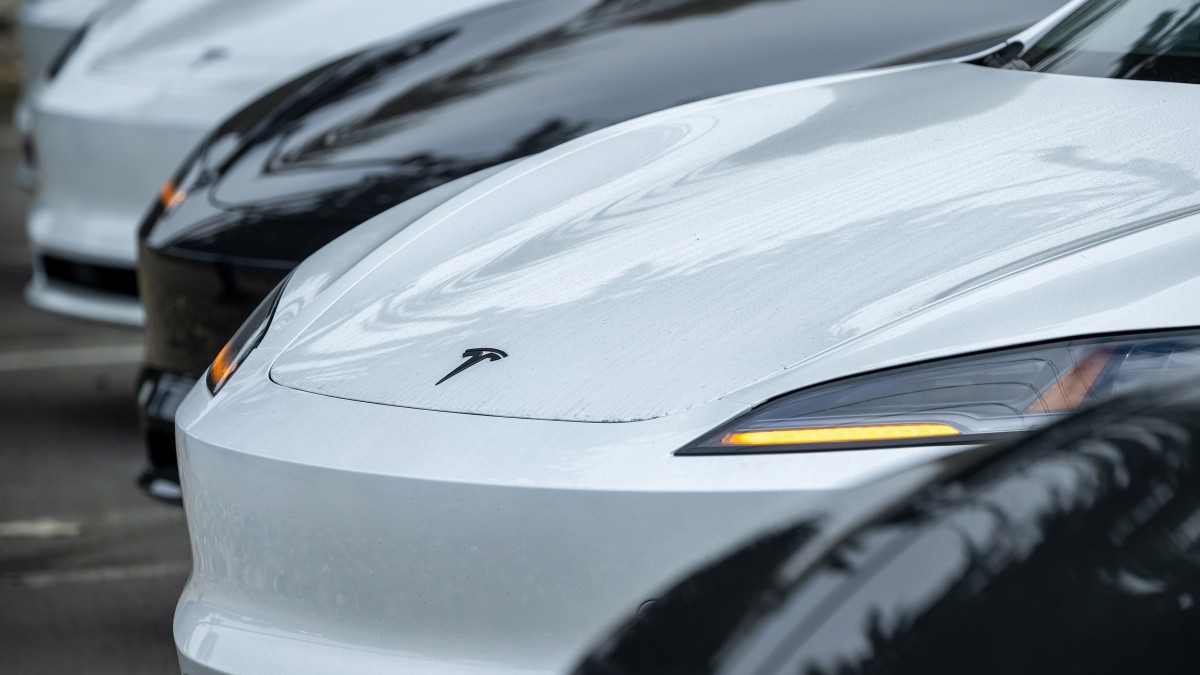
It happened on June 19. A Tesla Model 3 was barreling down the road when it suddenly decided that pavement wasn’t its preferred surface. It veered off. Plunged into a residence. Harris County Sheriff’s office says the driver was using autopilot. They claim the automated assistance failed to keep the car where it was supposed to be. The speed? Lethal. The driver? sober. No drugs. No alcohol found.
Did the driver try to take back the wheel before impact? No one knows. It hasn’t been confirmed.
Tesla has been here before.
Elon Musk’s empire is built on cars that supposedly think for you. That premise has landed the company in hot water repeatedly. Remember 2025? A court found Tesla partially liable for a deadly crash in Florida involving their self-driving tech. Despite regulators screaming from the sidelines, Musk fights hard to keep that word. Autopilot. It sticks in the mind. It suggests safety. Control. Full Self-Driving Capability FSD is the current buzz, but the label remains contentious.
And right before this Texas tragedy? Trouble brewing in Europe.
Independent researchers called the claims “misleading” after Tesla told regulators their tech could save thousands.
Traffic safety officials in Switzerland and the Netherlands caught Tesla exaggerating. The company handed over documents claiming their fleets would prevent 1.9 million injuries. 32,000 saved lives. Sounds heroic? Not when data checkers look closer. Independent analysts tore that figure apart.
While Waymo—the giant in robotaxis—is rushing to recall 3,900 cars after its AI missed construction zones in Arizona, Tesla pushes forward. Riders are still wary. They have to be. When software hallucinates a closed ramp or drives a sedan through a front porch, skepticism isn’t paranoia.
Is it just bad code or bad branding?
Maybe both.