The Internet is a sprawling metropolis. It is beautiful. It is terrible. You can stand in a library with the sum of human knowledge and then walk three blocks to find something grotesque. No place on earth compares to the digital sprawl. But it is also a place where identity is fluid and trust is scarce.
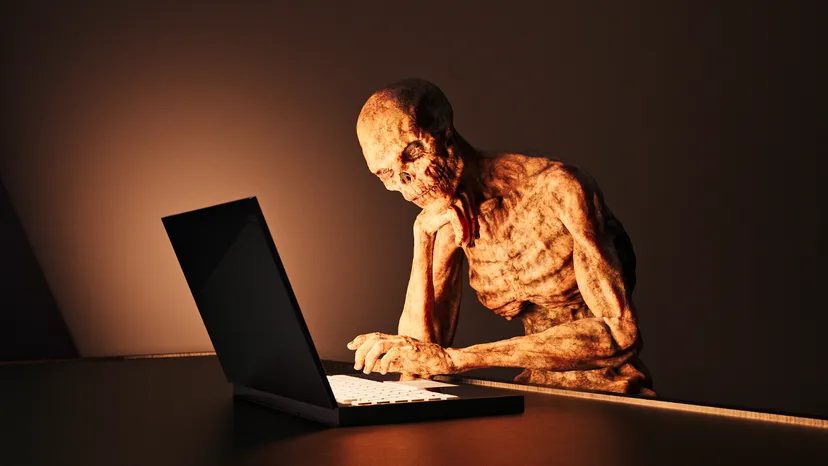
You might not be who you think you are. In fact, you might be doing things you don’t remember doing. Think of that movie The Manchurian Candidate. The protagonist is a puppet. He doesn’t know he is being pulled by strings. He wakes up and does damage he can’t explain. That is a zombie computer.
It is not a living thing. It is a machine that has been hijacked. A cracker (which is different from a white-hat hacker) breaks in quietly. They don’t want to steal your files. They don’t care about your password. They want your CPU cycles. They want your bandwidth. They turn your PC into a node in a massive botnet.
Your screen looks normal. The mouse moves. You can type. But underneath, it is sluggish. It is working overtime. It is sending spam emails to millions of people. It is attacking web servers. It is DDoSing a government site. And you are the one getting caught.
The investigation lands on you. Your Internet Service Provider (ISP) sees the traffic. They see the anomalies. They cancel your service. You are left sitting in the dark, confused. The police might knock on your door. You are the suspect. The cracker? He doesn’t care. He has backups. He has thousands of backups.
One report found a single operator controlling 1.5 million computers. That is a digital army. And you were just one soldier who didn’t know he was at war.
How Hackers Take Control
This is not magic. It is exploitation. Crackers look for holes. They look for unpatched software. They look for weak passwords. They use phishing emails with malicious attachments. You click the link. You run the file. The door opens.
Once inside, they install a trojan. This is the zombie virus. It runs in the background. It connects to a command-and-control server. It waits for orders. It follows them.
Why They Do It
Money is the obvious reason. Spam boosts. Ad clicks. Phishing campaigns. They sell your access.
But there is more. Sometimes it is just power. Sometimes it is disruption. A botnet can take down a major website. It can cause chaos. It proves that the cracker can.
Protecting Yourself
You need to be vigilant. Update your software. Never click suspicious links. Use strong, unique passwords. Install antivirus. But even then, you might get infected. It happens. The internet is vast. The predators are numerous.
The question is not if you will be targeted. It is when. And what will you do when your computer starts acting strange?
You might notice the fan spinning up. You might see your internet speed drop. You might get an email from your ISP asking about the spam you sent.
What then?