You see them in crime dramas. The suspect buys a brick-like device at a gas station, makes a few calls, and tosses it in a river. That is the pop-culture idea of a burner phone. In reality, the device is just a cheap, prepaid mobile handset. It might look like an old flip phone or have a basic touchscreen. The main difference from your daily driver is the billing model. You buy it with cash, load it with minutes or texts, and no contract ties the number to your legal name.
That lack of a contract is the entire point. Journalists use them to talk to sources. Activists use them to organize. People with bad habits use them to do things they do not want on a record. Shanal Aggarwal, chief commercial officer at TechAhead, notes that anyone wanting to keep their identity a secret is a common user. But here is the trap. Paying cash does not make you a ghost.
Why cash is not enough for total anonymity
You bought the phone. You paid cash. You feel safe. You are wrong.
Mobile networks are not dark web servers. They are infrastructure. In the United States, laws like the Foreign Intelligence Surveillance Act (FISA) and the Patriot Act give federal and state agencies broad power to track wireless communications. These laws are framed as national security tools, but they are often used to surveil ordinary citizens. In many cases, agencies do not even need a formal search warrant to pull data. The American Civil Liberties Union argues this violates the Fourth Amendment, but the surveillance machinery keeps running.
Then there is hardware. Law enforcement has a tool called the Stingray. It is a portable cell tower. It sits in a van or a building. It broadcasts a signal that looks like a legitimate carrier tower. If your phone is in range, it connects. You can use data. You can make calls. But the Stingray sits between your phone and the real network. It intercepts calls, texts, and even passwords. These devices have been suspected in mass protests, including Black Lives Matter demonstrations in 2020.
Private companies play a role too. If you install an app on a burner phone, you are likely granting permissions for location, contacts, or microphone access. Developers can sell that data to advertisers or government entities. Your “anonymous” phone becomes a data point in a larger web.
How prepaid phones actually protect you
The protection comes from the purchase model, not the technology.
Standard carrier phones require a contract tied to your identity. If data is scraped, it lands in a file with your name. Prepaid phones break that link. You buy the device and the minutes with cash. No credit check. No SSN. No paper trail linking the SIM card to your face.
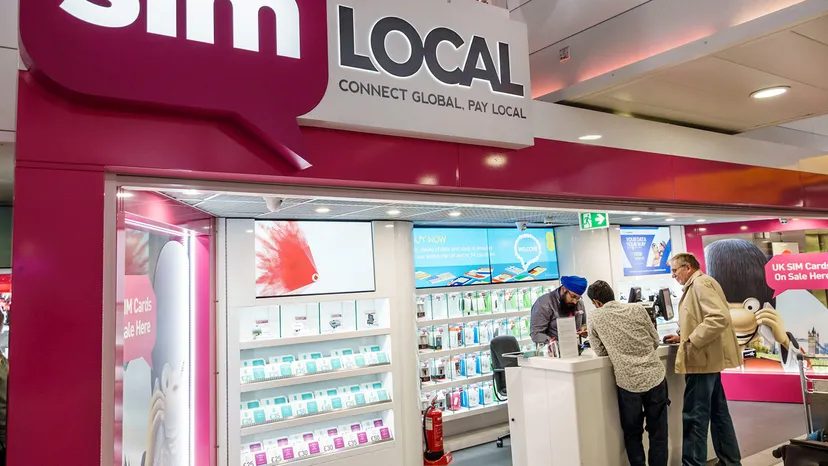
Aggarwal points out that this is useful for journalists handling sources or for people traveling to countries where local SIM cards are necessary. It helps maintain anonymity for non-illegal activities where you simply do not want to disclose personal information.
The key habit is disposal. Users often “burn” the device after a short period. They throw it away. If they need to make more calls, they buy a new prepaid number. This cuts off the data stream. If a tracker is mining the phone, the stream ends when the phone is gone.
Why burner phones can still be traced
Anonymity is not absolute. It is a higher bar than a regular phone, but it is not a fortress.
Aggarwal is blunt about this. Burner phones are not completely untraceable. Law enforcement uses several methods to crack the code:
- Call Detail Records (CDRs): These logs show the time, duration, and location of calls made and received.
- Location Tracking: Cell towers record where your phone connects.
- Surveillance: Physical observation.
- Stingray devices: The interception towers mentioned above.
If someone has a recording of your voice, context clues can identify you. Law enforcement agencies have voice recognition software that matches a voice to a source. If you logged into Facebook, TikTok, or Amazon from your burner phone, you blew your cover. Those accounts are tied to your identity. The phone itself is just the key to a door that leads straight back to you.
Is a burner phone worth it?
If you need basic privacy for a short duration, yes. It is the cheapest way to keep your daily calls off your main number.
If you think you are invisible to the state or to app developers, no. The technology is too advanced for that illusion. The phone is a shield, not a cloaking device. Use it, but understand the limits. Burn it when you are done. And for the love of god, do not log into your personal social media accounts from it.
Stacking Layers: Why One Gadget Isn’t Enough
A burner phone is a tool, not a shield. It fails if you are sloppy. It fails if your digital footprint on other devices is wide open. The most effective way to stay anonymous is to layer your defenses.
Aggarwal points to Signal as a prime example. This messaging app uses end-to-end encryption. That terminology is dense, but the concept is simple: the message is scrambled the moment it leaves your device. It stays scrambled until it hits the recipient’s phone. Even the company running the servers cannot read what you sent. They don’t have the key.
You can pair this with a VPN (Virtual Private Network). A VPN routes your internet traffic through a server in another location. It masks your IP address. This stops ISPs, employers, and casual snoopers from seeing exactly where you are or which sites you visit.
- Signal protects the content of your messages.
- VPNs protect the metadata (who, where, when).
- Burner phones protect the identity linked to your communication.
Use them together. Relying on just one creates a gap.
The Hard Truth: Nothing Is Unbreakable
Stop believing the marketing hype that says you are invisible. You are not.
Advanced encryption can be broken. State-level actors have the resources to crack protocols. The only communication method with a 0% chance of being intercepted by a third party is a face-to-face conversation with someone you trust physically. If it is digital, it is vulnerable.
Digital Burners: Apps vs. Hardware
Do you really need a separate brick of plastic in your pocket? Maybe not.
Many users opt for burner phone apps on their existing smartphones. These applications generate a secondary phone number. You can make calls and send texts through the app just like you would on a dedicated prepaid device. The number is tied to the software, not the SIM card.
The trade-off is cost. These services are rarely free. You usually pay a subscription.
There is a nuance here. A physical burner phone is isolated from your main identity. Your phone is not. If you use a burner app on your iPhone, you are still on your primary device. If that device is compromised, the “burner” number is exposed along with everything else. The app offers convenience. The hardware offers isolation. Choose based on your threat model, not just convenience.