Stop worrying about running out of juice on I-95. It’s a valid fear, but mostly in the rearview mirror. Last year, AAA found that public charging was still the #1 anxiety for people eyeing electric vehicles. That hesitation made sense. Historically, hitting a dead EV charger on a highway felt like digital bad luck. You’d arrive, see the red lights, and watch your plans crumble.
I learned that pain firsthand. In 2023 I wrote an EV fast charging bill of rights. Seven points. Desperate ones.
Today? The script has flipped.
A recent 600-mile run to Montreal proved the change. No panic. No breakdowns. Just coffee and progress. Here’s why EV road trips feel less like an adventure sport now, and what that means for you.
The Gear Doesn’t Matter As Much
We intended to take our Kia EV9. It has a near 300-mile range. But the AC was broken, so the Kia sat in the shop. Instead we drove the older Audi e-tron. It maxes out at roughly 220 miles per tank.
Did it matter? No. The car handled the distance easily.
Rangemaxxing is overblown. You don’t need 400 miles of buffer. You need a working charger. And this time the chargers worked.
Finding The Right Spot
Navigation changed, too. We used A Better Route Planner (ABRP). The app is smarter than Waze. It factors in wind, temperature, and your battery’s specific degradation. It even knows when a charger is likely busted before you plug in.
ABRP pointed us toward Lebanon, New Hampshire. It suggested Rivian chargers. I wasn’t surprised—the company owns the app now—but I wasn’t expecting miracles.
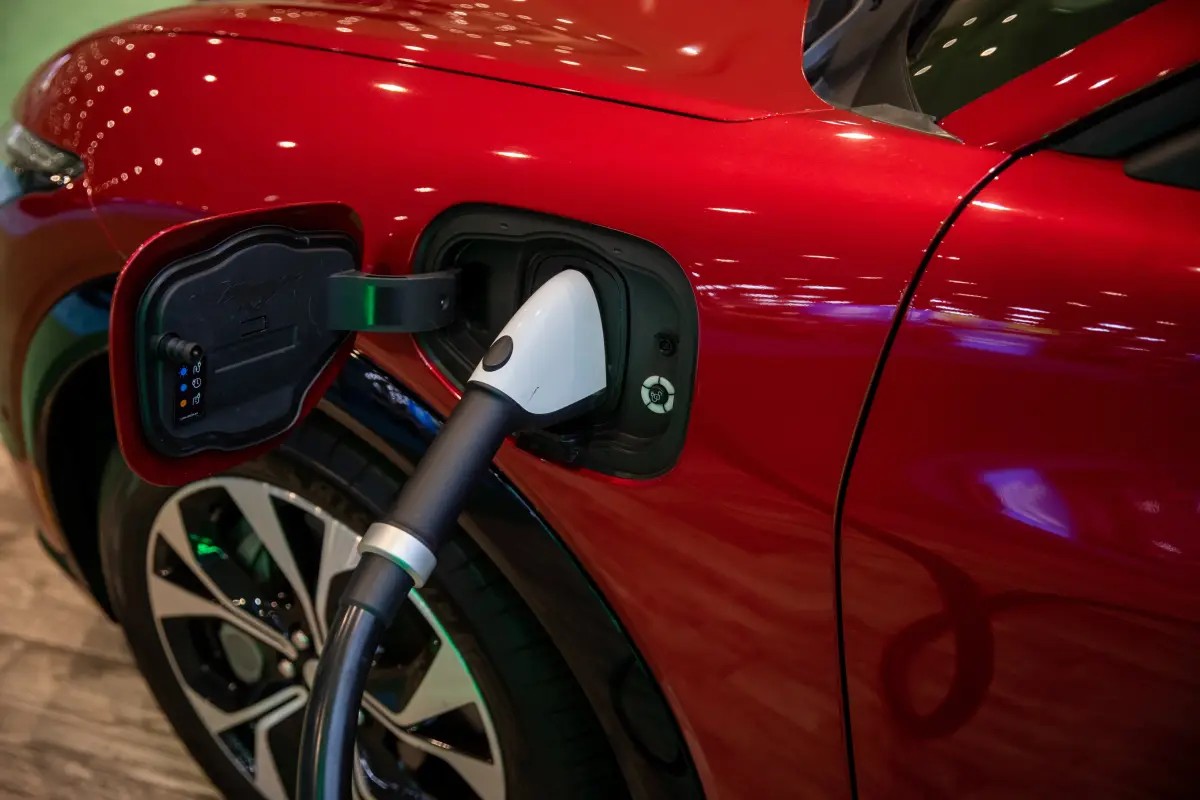
The spot had six 300-kW stalls. All green. All working. No lines. There’s a grocery store right there. You eat lunch while the battery drinks power. We pulled about 140 kW into the e-tron, which is its cap. We used these same chargers on the return trip. Same result. Flawless.
One hiccup near Montreal. The credit card reader on a Circuit Électrique charger was dead. Had to download the app. Added $20 CAD. Worked fine. Was the stop necessary? Maybe not. We stayed mostly put that week. But the hotel had a Level 2 charger. Kids needed air. My wife needed espresso. Plug in.
Total charging time: Three 20-minute stops. Roughly the same time we waited to get back into the US. Imagine if filling gas took twenty minutes. We’d have riots.
Three Years Ago Was Different
Rewind to summer 2023. Same car. Half the distance. A round trip to Maine.
Disaster.
The plan sounded logical. Charge halfway up. Charge on the way home. Easy, right? Wrong. The first stall broke seconds after connection. I moved stalls. The network wouldn’t recognize the second plug because the first session was stuck “in progress.”
Call support. Wait on hold. Try again. Fail.
Another stop. App said two of four plugs worked. Only one actually fired up.
Seven hours of driving. Three phone calls to customer service.
Why? Because reliability was the problem, not power. The hardware was there, but it was broken software. Now the software is fixed. Mostly.
The Numbers Back It Up
My trips are stories. But the data agrees with them. The US has roughly double the DC fast chargers we had in 2023. Back then we hit 32,000 ports. Most were gated off to Tesla drivers only. Tesla announced they’d open up. It took a while. Now the floodgates are open.
More than that? Reliability.
Paren’s reliability index shows a jump of nearly 10 percentage points in just a year. We are seeing success rates in the mid-90s. That’s huge. It means 9 out of 10 plugs work when you need them.
Tesla still leads the pack. But competitors are catching fast. That competition forces everyone to keep the lights on and the screens lit.
The difference isn’t just quantity. It’s the speed of repair. Broken ports stay broken longer in a vacuum.
There are still gaps. You can still hit a dead spot on Route 1. But the map is greener than it was.
The holdouts still worry about charging infrastructure. They should check the data. The fear is outdated.
So pack the snacks. Bring a jacket. The plugs will probably wait for you.